APIPod logoAPIPod
OPENAI

GPT Image 2.5 Flare Lite

gpt-image-2.5-flare-lite

GPT Image 2.5 Flare Lite is APIPod's cost-oriented routing variant for GPT Image 2.5 Flare rather than a separate OpenAI model. It uses the shared generation and editing contract with lower-cost configured channels, suited to high-volume batch generation on a budget.

Model Type:

Input Parameters

Input

Input images to transform or use as reference (1-16 images)

Output Result

OutputPreview
Preview 1
Example Output

Above is the example effect, click 'Run Model' to generate your exclusive content

Billing rules

Your charge is determined by actual usage and the parameters selected for the request. The prices below stay in sync with this model's current configuration.

How charges are calculated
Total = base price per request x request count x selected parameter multipliers

When multiple parameter options apply, their multipliers are multiplied together rather than added.

Billing units

Base charge
Each calculation starts from this amount
$0.02

Parameter multipliers

Options such as resolution, size, quality, and aspect ratio adjust the charges above.

Quality
1Kx1
2Kx2
4Kx4
Resolution
1Kx1
2Kx2
4Kx4
This page shows billing rules and rates. Final charges are based on actual usage and applicable request parameters after a successful request.

Explore similar AI models available through the same unified API

View all models
  • GPT Image 2.6 Sunburst Lite
    OpenAI

    GPT Image 2.6 Sunburst Lite

    GPT Image 2.6

    The low-cost version of GPT Image 2.6 Sunburst is the GPT Image 2.6 Sunburst version provided by APIPod through channels such as Azure and Adobe, and it is not an independent OpenAI model. It adopts the same generation and editing parameter contract, suitable for cost-sensitive iterative creative refinement. It supports output in PNG, JPEG, WebP and animated GIF formats, but does not support SVG.
  • GPT Image 2 1K
    OpenAI

    GPT Image 2 1K

    GPT Image 2

    GPT Image 2 1K low-cost image generation model is a special-priced gpt-image-2 model for 1K resolution. It features an ultra-low price with slightly compromised stability. It is suitable for quick preview and testing and not recommended for production environments.

  • Qwen Image 2.1 Pro
    Alibaba

    Qwen Image 2.1 Pro

    Qwen Image 2.1

    Qwen Image 2.1 Pro unifies text-to-image and instruction-based editing in a 7B single-stream DiT. It generates native RGBA images from text, edits transparent layers, and extracts subjects from photos; accepts up to 10 reference images with circle, brush or mask-guided local edits; and preserves identity for people and products. Native 2K output, 1-6 images per request.

  • Qwen Image 3.0
    Alibaba

    Qwen Image 3.0

    Qwen Image 3.0

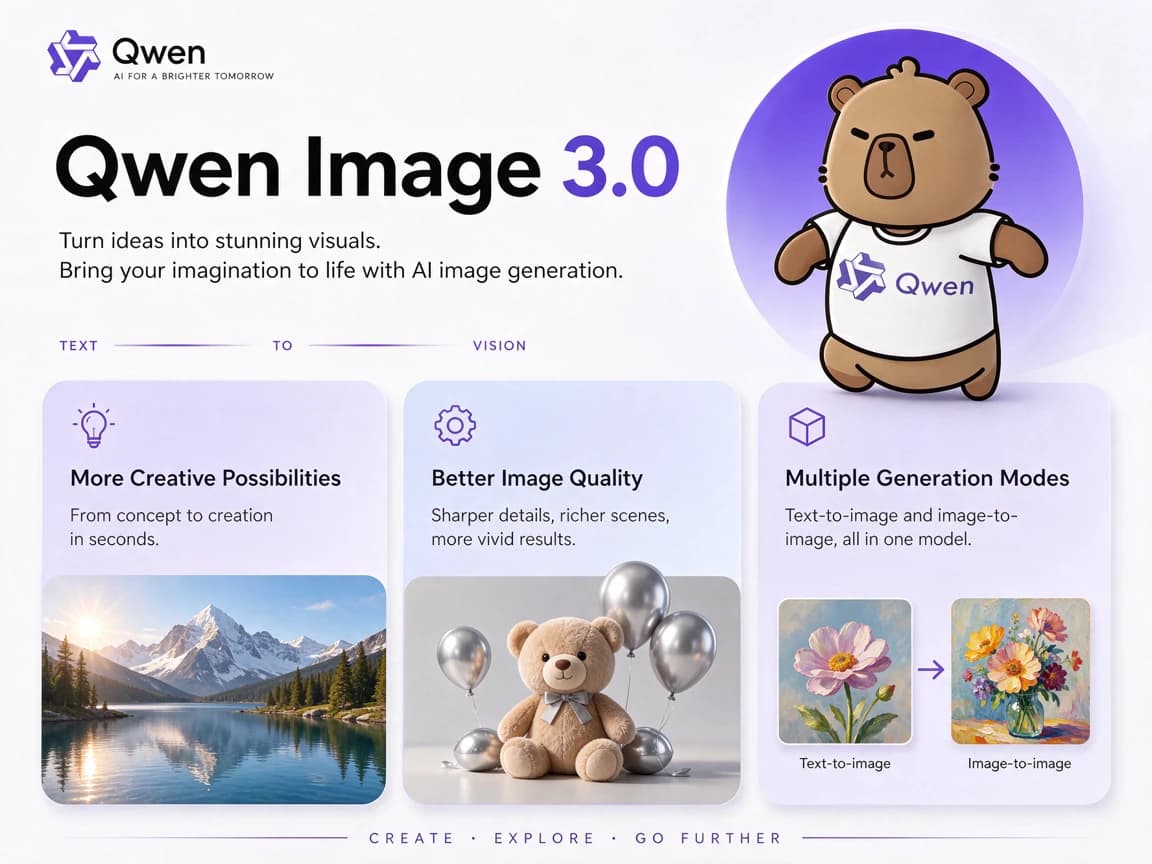
    Qwen Image 3.0 renders dense, information-rich images in a single pass: full newspaper pages, multi-cell infographic grids, LaTeX papers, menus and UI mockups, with text down to 10px across 12 languages. One model ID handles text-to-image and instruction-based editing with up to 3 reference images, returning 1-6 PNG images per request.

  • Nano Banana 2.1
    Google

    Nano Banana 2.1

    Nano Banana 2.1

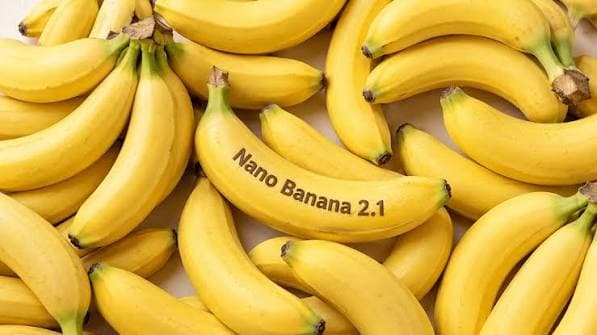
    Nano Banana 2.1 (gemini-nano-banana-2.1) is Google's next-generation Nano Banana 2 image model, built on Gemini 3.6 Flash. It improves realism, visual design, text rendering and multi-turn character consistency, generating and editing images at 1K, 2K and 4K with up to 14 reference images.

  • Nano Banana 2 Lite
    Google

    Nano Banana 2 Lite

    Nano Banana

    Nano Banana 2 Lite (Gemini 3.1 Flash Lite Image) is the ultra-fast, low-cost tier of Google's Nano Banana 2 image generation family. It generates and edits images at 1K resolution with the lowest latency in the family, making it ideal for high-concurrency real-time scenarios such as stickers, recoloring and background changes.

  • Seedream 5.5 Edit
    BytePlus

    Seedream 5.5 Edit

    Seedream 5.5

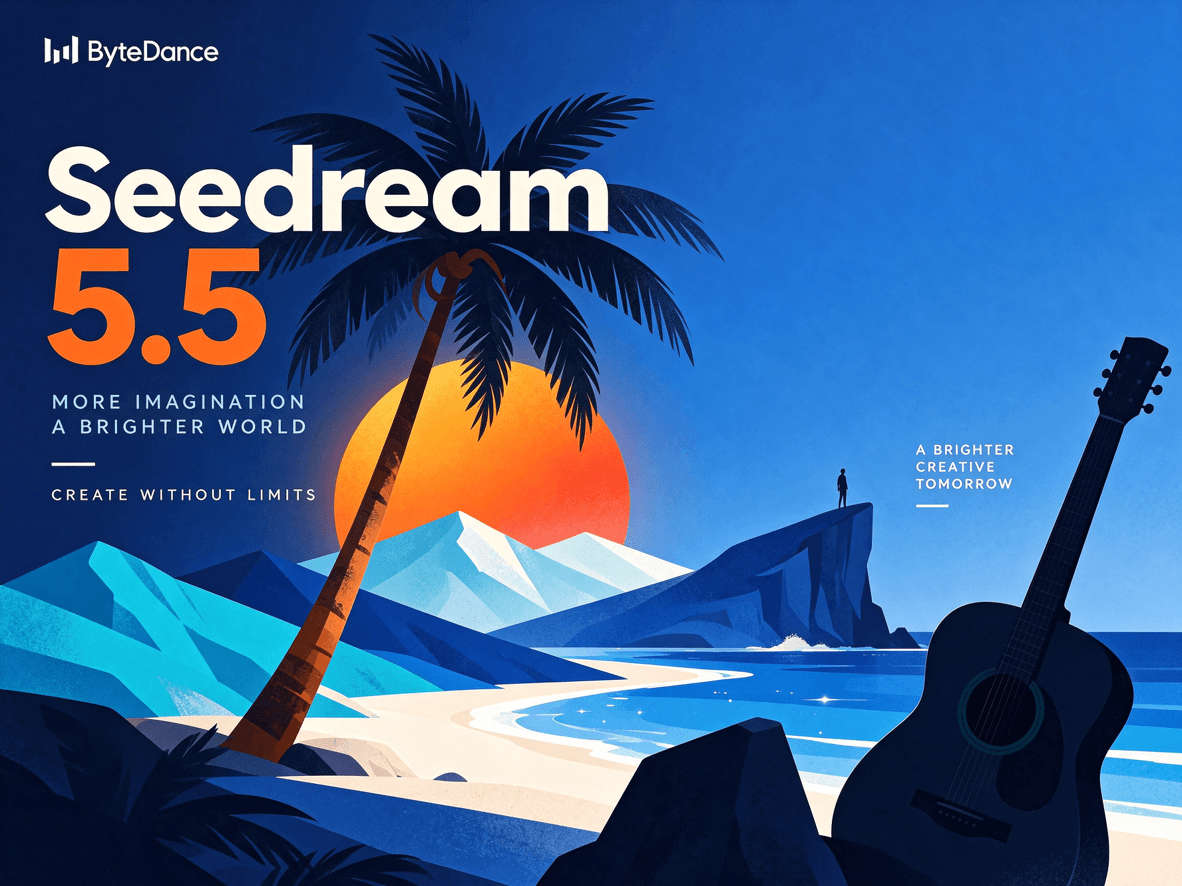
    Seedream 5.5 Edit accepts 1-10 reference images and preserves untouched pixels across up to 100 rounds of iterative editing - swap accessories, relight scenes or compose multiple subjects while the rest of the frame stays pixel-identical.