Text-to-image and image editing models from OpenAI, Google, ByteDance, Alibaba and more — compare versions and per-image prices, then generate through a single async API.
Nano Banana 2.1 is Google''s latest high-efficiency image generation and conversational editing model, built on Gemini 3.6 Flash as an update to Nano Banana 2.
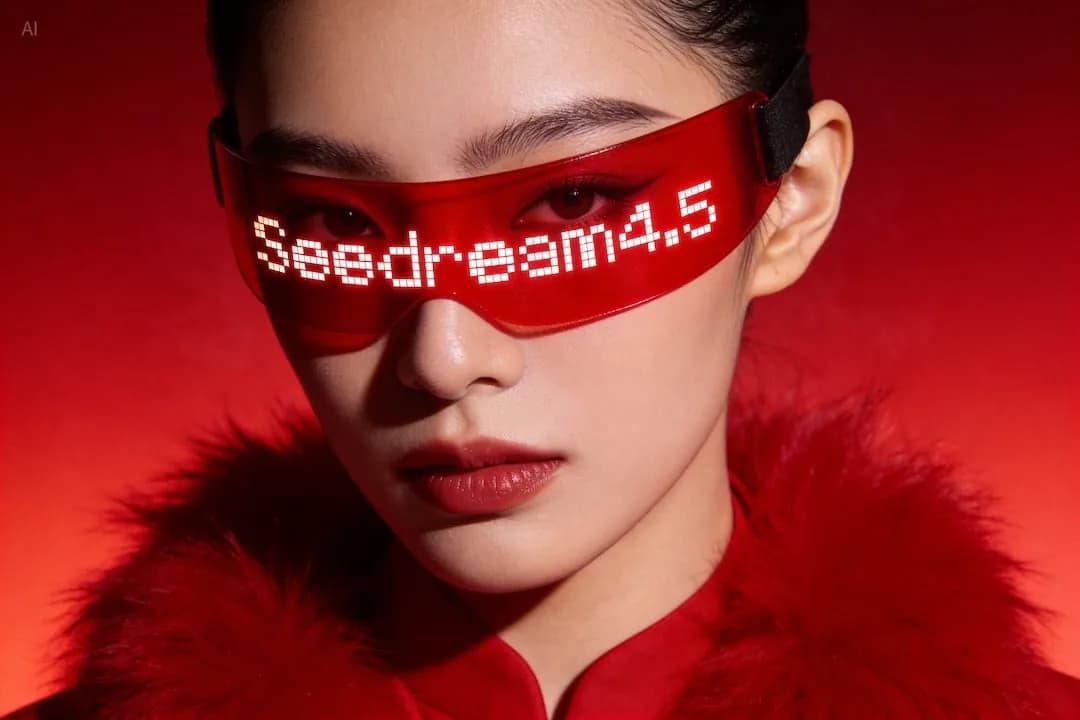
Seedream 5.0 Pro is a multimodal image model launched by ByteDance, built for controllable generation, precise editing, complex information visualization, realistic portraits and multilingual visual creation.
GPT Image 2.5 is an advanced image generation and editing model launched by OpenAI. It is designed to deliver sharper image quality, higher fidelity to reference images, and more refined image optimization.
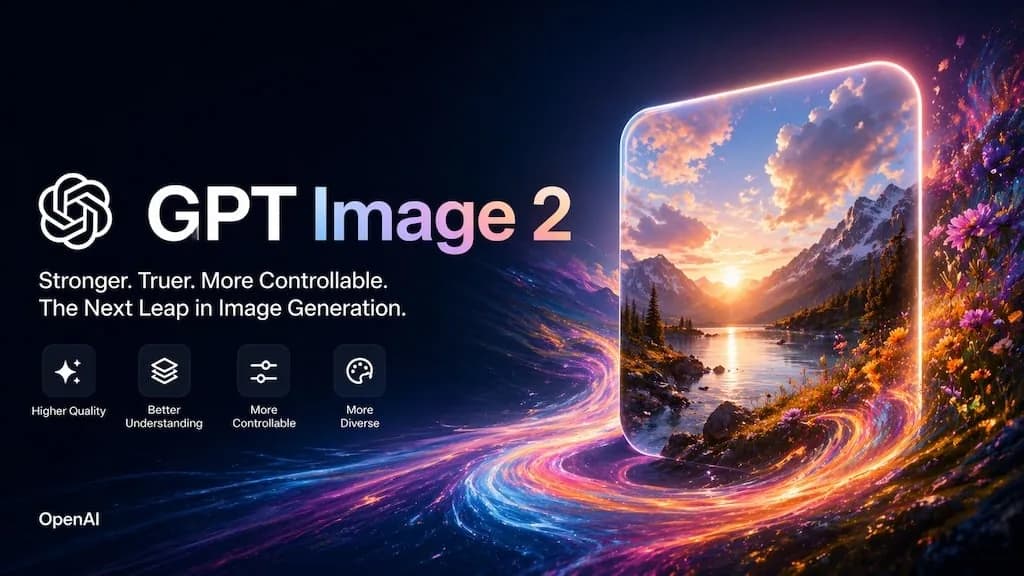
GPT Image 2 is a new-generation image model developed by OpenAI, featuring enhanced realism, more refined image editing capabilities, sharper text rendering, and superior product rendering performance.
WAN 2.7 Image is a production-ready large model for AI image generation and image editing, featuring a built-in thinking mode that enhances reasoning capabilities and produces higher-quality output results.
Pick by the job, the output size and the workflow — not by the demo reel.
01
Generate, or edit?
Text-to-image starts from a prompt. Image editing (image-to-image) takes one or more reference images and changes them — swap a background, restyle a product shot, keep a character consistent. Many families ship both as separate versions.
02
Resolution sets the price
Most image models charge per image, with a multiplier for higher resolution or quality tiers such as 2K and 4K. Prototype at the base size and render finals at the tier you actually ship.
03
Lite and fast tiers for volume
Lite, fast and flash versions trade a little fidelity for speed and cost — ideal for thumbnails, A/B creative and batch jobs. Keep the pro tier for hero images and typography-heavy layouts.
04
Built for async pipelines
Every request returns a task_id at once. Poll the status endpoint or pass a callback_url to be notified when the image is ready; if a task fails, the reserved cost is refunded automatically.
03/FAQ
Image API questions, answered
How does the image generation API work?
Send a request to /v1/images/generations with a model ID and prompt. You get a task_id immediately; query /status/{task_id} or receive a callback when the task completes, then read the output image URLs from the result.
How much does an AI image cost?
Each version above shows its starting price per image. Final cost depends on the resolution or quality tier you request. There is no subscription — you pay only for completed images, and failed tasks are refunded.
Which models can edit an existing image?
Filter the list by “Image editing”. Those versions accept reference images and return an edited result, from background replacement to style transfer and multi-image composition.
Can I use the generated images commercially?
Usage rights follow each model maker’s terms. Check the model page and the provider’s policy for your use case before publishing at scale.
Can I try a model without writing code?
Yes. Open any model page to see parameters and examples, or use the online image generator with the same account and balance as the API.
In a few minutes, your first AI video.
Sign up, grab a key, and call image, video and language models from one endpoint. Register now for free trial credits, no credit card required.


 BytePlus3 versionsfrom$0.018/ image

