Seedance, Veo, Wan, MiniMax, Grok Imagine and more — compare text-to-video, image-to-video and video editing versions with live per-second prices, then render through one async API.
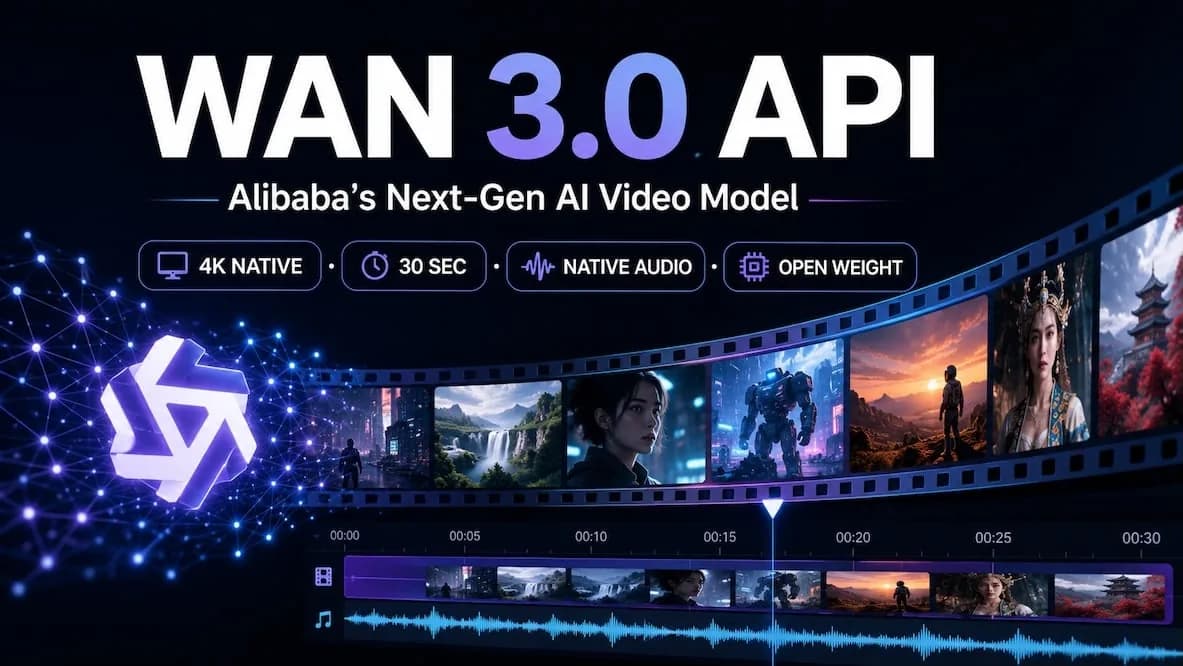
Wan 3.0 Video Pro Spicy brings the Wan 3.0 contract - 2-30 second clips with native audio, first/last-frame control, and rich reference materials - to 1080P, 2K, and 4K output on a relaxed-moderation route for adult-orie…
Wan 3.0 Video Spicy keeps the Wan 3.0 contract - 2-30 second clips with native audio, first/last-frame control, and rich reference materials - on a relaxed-moderation route for adult-oriented creative work.
Seedance 2.5 is ByteDance’s next-generation AI video model, built for up to 30-second video generation, advanced multimodal reference control, precise local editing, and more flexible, production-ready creative workflows…
Seedance 2.5 Special‑Price Model, Full‑Power Version, comes with a material library, no face distortion, 100% real‑person pass rate, long‑term stability. Priced at roughly 60% of the official rate, supports 720P.
Seedance 2.0 Mini Budget Version Model, Full‑Power Version, comes with a material library, no face distortion, 100% real‑person pass rate, long‑term stability. Priced at roughly 60% of the official rate, supports 720P.
Seedance 2.0 Fast Special‑Price Model, Full‑Power Version, comes with a material library, no face distortion, 100% real‑person pass rate, long‑term stability. Priced at roughly 60% of the official rate, supports 720P.
Seedance 2.0 Special‑Price Model, Full‑Power Version, with material library, no face distortion, 100% real‑human pass rate, long‑term stability. Priced at roughly 60% of the official rate, 720P supported.
The Seedance 2.0 Mini model costs approximately half of the standard‑version model, runs twice as fast as the Fast variant, supports 480P/720P output, and is suitable for batch and large‑scale production.
The Seedance 2.0 Fast model shares the same task system as the standard version, supports 480P/720P output, delivers faster rendering at a lower unit price, and is suitable for draft iteration and high‑concurrency previe…
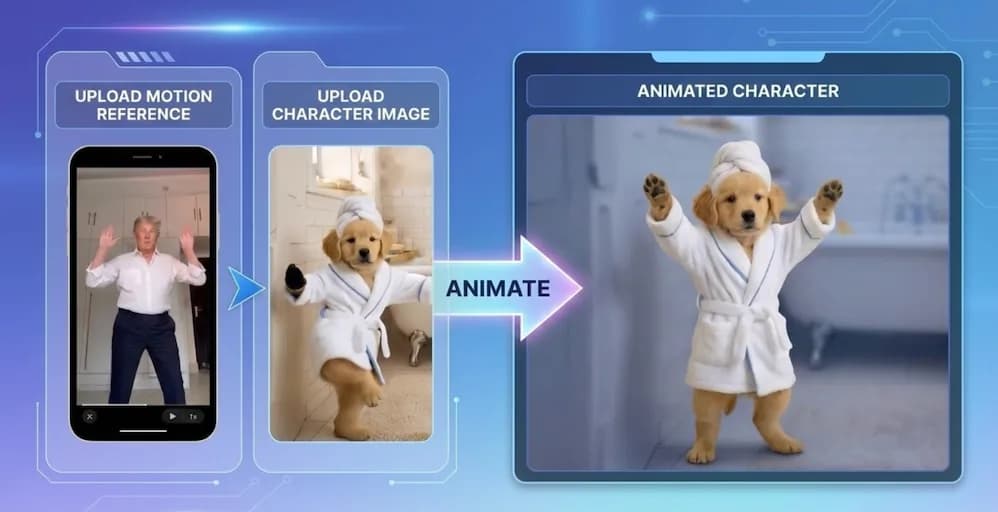
WAN 3.0 is an All‑in‑One reference‑based video generation model that uniformly supports multiple use cases including text‑to‑video, image‑to‑video (first‑frame / first‑and‑last‑frame), and reference‑based video generatio…
Google Gemini Omni is a multimodal video generation and editing model. It can convert text, images and video references into coherent videos, and delivers stable scene consistency, world understanding capabilities and na…
Google DeepMind's upgraded AI video model offers realistic motion generation, extended video duration, multi-image reference control, and synchronized native audio output, supporting 1080p image quality.
The Wan 2.7 video model enables one‑stop unified generation of text‑driven, image‑driven, and reference‑driven video content along with native synchronized audio.
Grok Imagine is an xAI's multimodal video model capable of generating images and short videos from text or images. It features fast generation speed, synchronized audio and video, deliver a more expressive visual style.
Start from what you already have — a prompt, a frame or a clip — and price by the second.
01
Start from your input
Text-to-video builds a shot from a prompt. Image-to-video animates a first frame or follows reference images for consistent characters and products. Video-to-video edits, restyles or extends footage you already have.
02
Price by the second
Most video models bill per second of output, multiplied by the resolution tier; a few charge a flat price per clip. A ten-second 1080p shot costs more than five seconds at 720p — budget by duration × resolution.
03
Draft cheap, render once
Lite, fast, mini and draft versions are built for iteration. Explore prompts and camera moves there, then send the winning take to the pro tier for the final render.
04
Webhooks over polling
Video renders take from seconds to minutes. Each request returns a task_id instantly; pass a callback_url to be notified on completion, and failed renders are refunded automatically.
03/FAQ
Video API questions, answered
How does the video generation API work?
Send a request to /v1/videos/generations with a model ID, prompt and optional reference images or video. A task_id comes back immediately; poll /status/{task_id} or pass a callback_url, then download the video from the result URLs.
How much does AI video generation cost?
Each version shows its starting price, usually per second of output. Resolution tiers apply a multiplier on top. Costs are reserved when the task is submitted and refunded automatically if it fails.
How long does a video take to generate?
It depends on the model, resolution and clip length — from under a minute for draft tiers to several minutes for long, high-resolution renders. Webhook callbacks let your app move on without waiting.
Which models turn an image into a video?
Filter the list by “Image to video”. Those versions accept a first frame or reference images and animate them while keeping subjects consistent.
What happens if an upstream provider goes down?
A model can be served by several upstream channels. On a retryable error the request moves to the next healthy channel, and a channel that keeps failing is circuit-broken until it recovers, so outages don’t cascade into your product.
In a few minutes, your first AI video.
Sign up, grab a key, and call image, video and language models from one endpoint. Register now for free trial credits, no credit card required.




 Alibaba3 versionsfrom$0.20/ sec