Discover global frontier models from OpenAI, Anthropic, Google, and more in one catalog.
01
Text to videoImage to videoVideo enhancement
Veo 3.1
Google DeepMind's upgraded AI video model offers realistic motion generation, extended video duration, multi-image reference control, and synchronized native audio output, supporting 1080p image quality.
Google Gemini Omni is a multimodal video generation and editing model. It can convert text, images and video references into coherent videos, and delivers stable scene consistency, world understanding capabilities and natural language control.
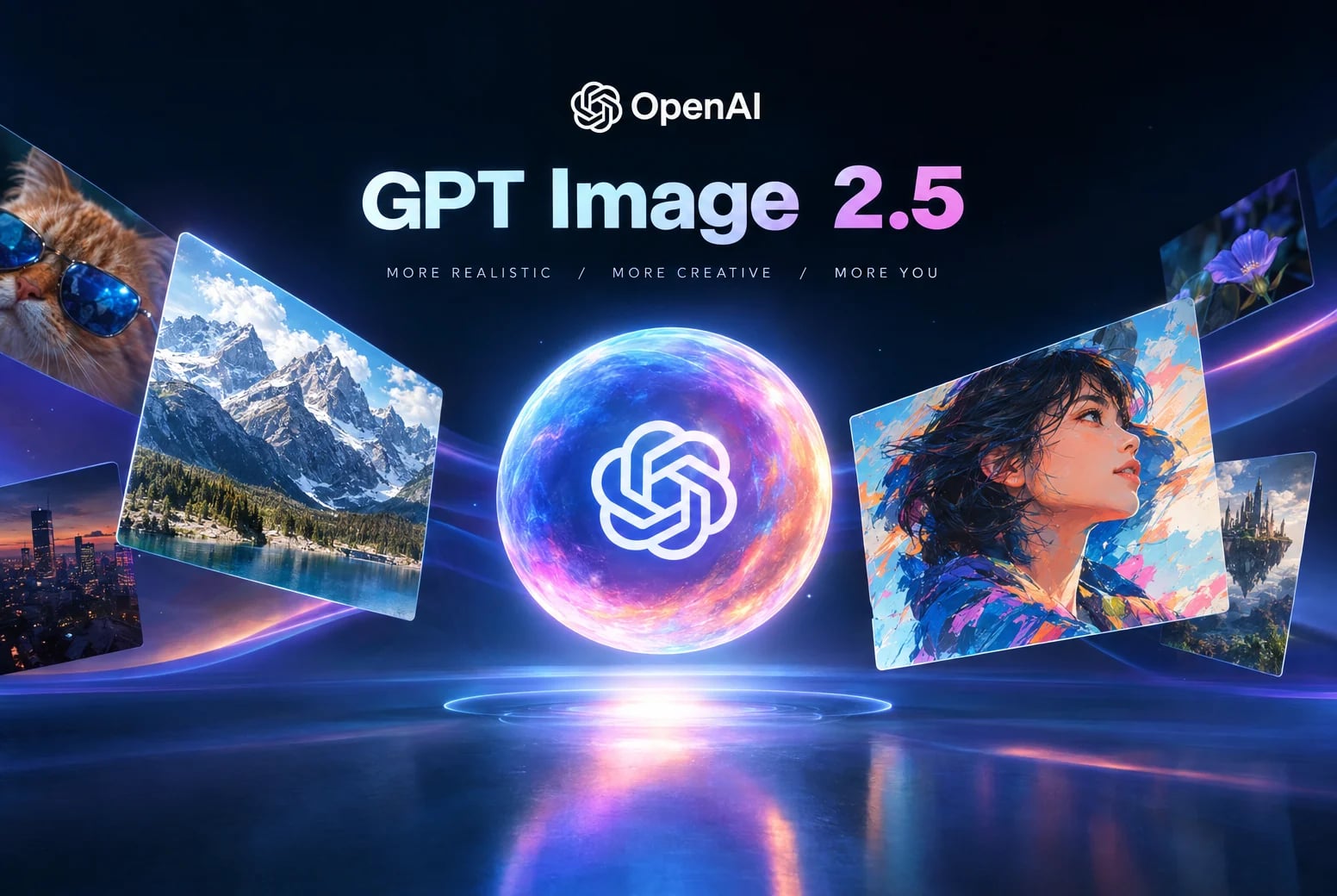
GPT Image 2.5 is an advanced image generation and editing model launched by OpenAI. It is designed to deliver sharper image quality, higher fidelity to reference images, and more refined image optimization. The model can generate more natural lighting and textures, preserve subject features more reliably, and execute complex visual instructions with greater precision in multi-round editing scenarios.
Nano Banana 2.1 is Google''s latest high-efficiency image generation and conversational editing model, built on Gemini 3.6 Flash as an update to Nano Banana 2. It keeps Flash-level speed while improving visual quality, prompt adherence, text rendering, mask-based editing and multi-turn character consistency at 1K, 2K and 4K, blending up to 14 reference images.
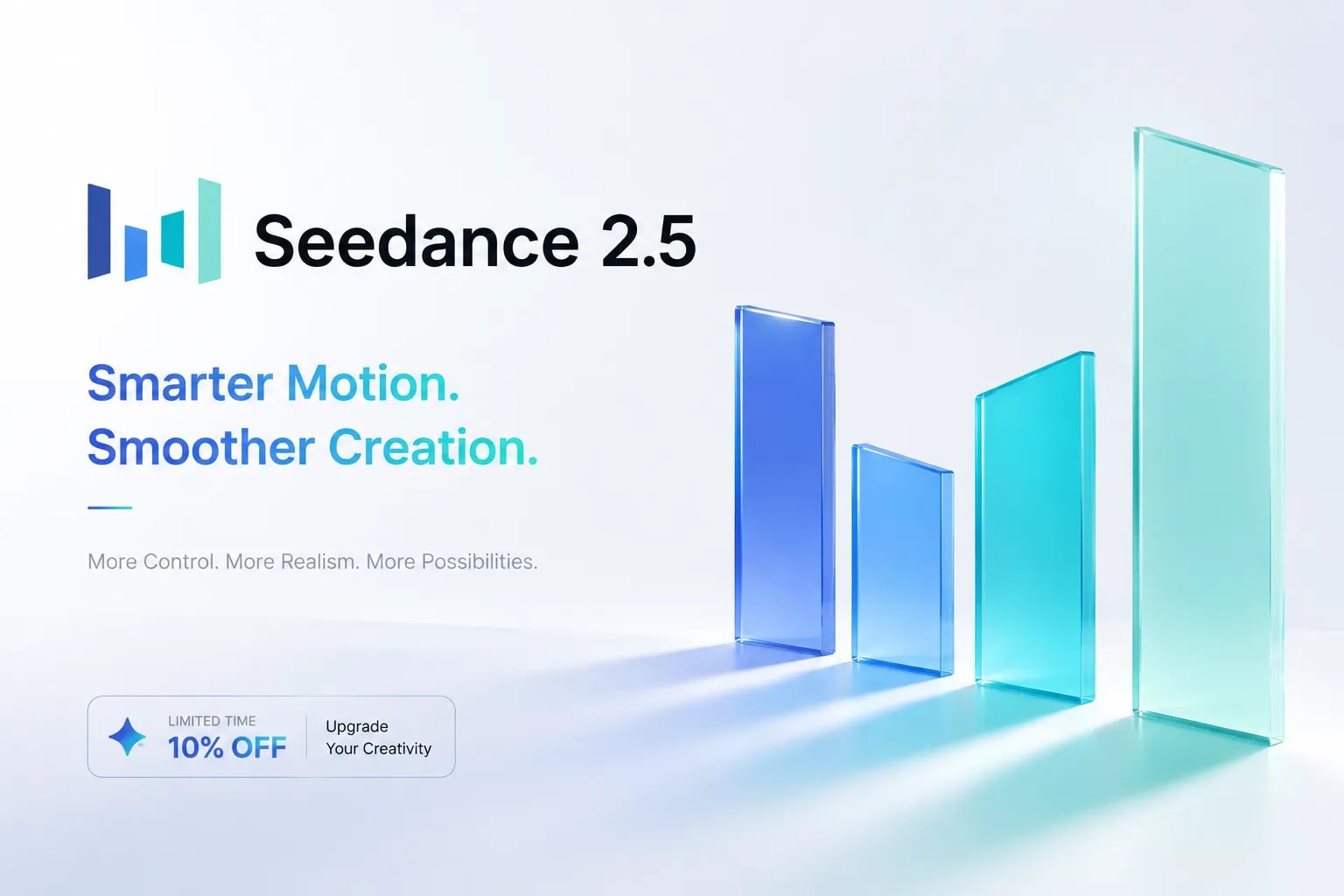
Seedance 2.5 is ByteDance’s next-generation AI video model, built for up to 30-second video generation, advanced multimodal reference control, precise local editing, and more flexible, production-ready creative workflows.
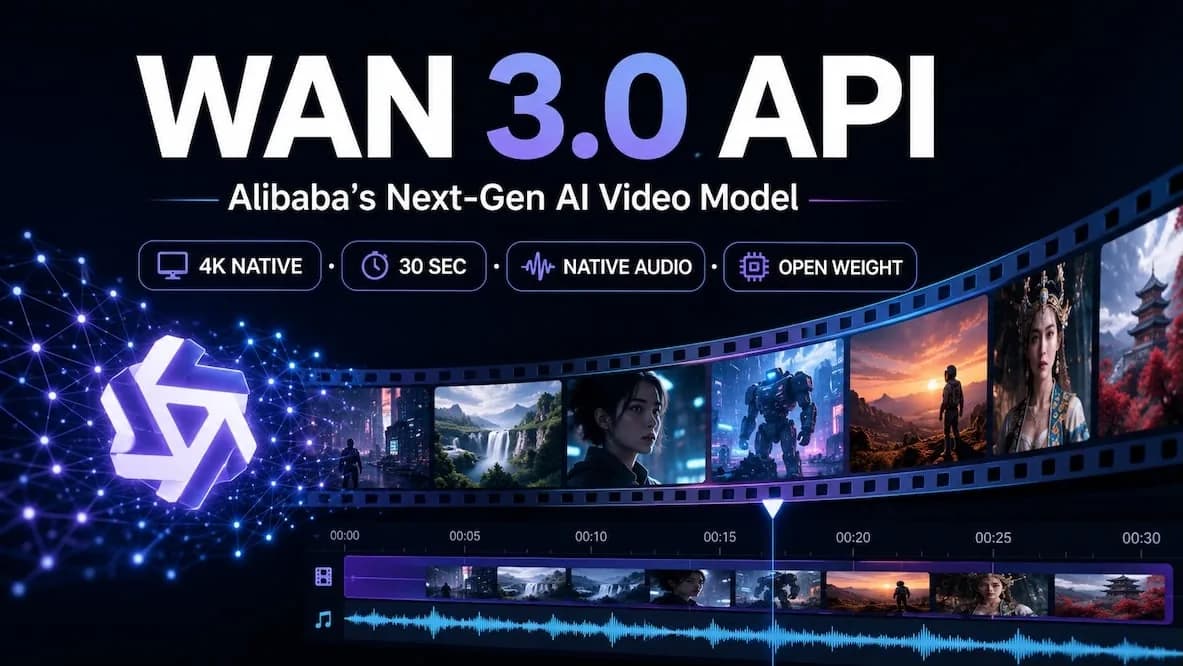
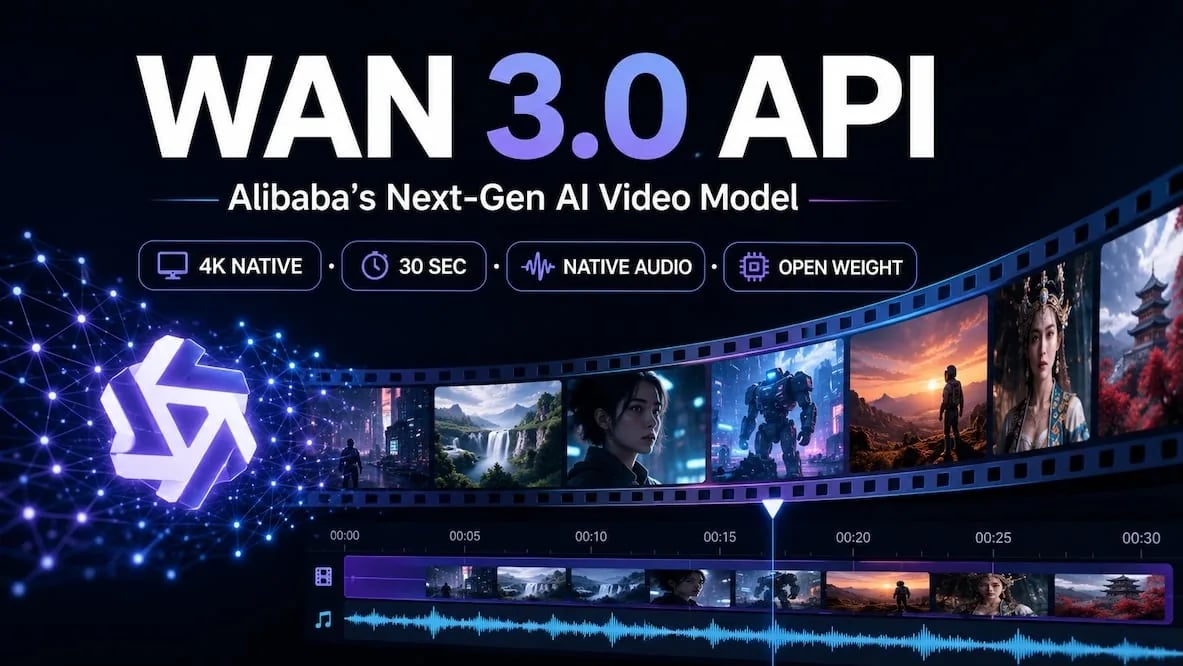
WAN 3.0 is an All‑in‑One reference‑based video generation model that uniformly supports multiple use cases including text‑to‑video, image‑to‑video (first‑frame / first‑and‑last‑frame), and reference‑based video generation. It can generate videos of up to 30 seconds in length.
Claude Opus 5.5 is Anthropic's flagship model, designed for demanding reasoning, coding and long-running agent tasks, and is the successor to Claude Opus 5. It excels at handling multi-step changes to large codebases, code review and bug detection, financial and scientific analysis, as well as interpreting dense charts, diagrams and screenshots. Compared with its predecessor, it is more rigorous when citing data and sources, ensuring that it only states verifiable information.
DeepSeek V4.1 Flash, also known as DeepSeek Flash, is DeepSeek's a 552B-parameter MoE model built on a novel causal encoder-decoder architecture. It is designed to deliver stronger capabilities, faster inference, higher throughput and lower deployment costs. It natively supports multimodal visual understanding and offers flagship-level intelligence, while significantly reducing KV cache requirements, making it well-suited for high-throughput and cost-sensitive agent workloads.
Seedream 5.0 Flash is a fast image generation model developed by ByteDance that balances speed and cost efficiency. It supports precise editing, layer separation, and transparent background image export, and is suitable for high-frequency, large-scale image production and rapid interaction scenarios.
Nano Banana 2.1 is Google''s latest high-efficiency image generation and conversational editing model, built on Gemini 3.6 Flash as an update to Nano Banana 2. It keeps Flash-level speed while improving visual quality, prompt adherence, text rendering, mask-based editing and multi-turn character consistency at 1K, 2K and 4K, blending up to 14 reference images.
Seedream 5.0 Pro is a multimodal image model launched by ByteDance, built for controllable generation, precise editing, complex information visualization, realistic portraits and multilingual visual creation.
Claude Sonnet 5.5 is Anthropic's upgraded Sonnet-class model. It outperforms Claude Sonnet 5, delivers over a 30% increase in operating speed, and comes at a lower cost for many workloads. Designed for agentic coding, tool use and daily professional tasks, it is ideal for developers and teams to build fast, capable AI agents.
Claude Opus 5.5 is Anthropic's flagship model, designed for demanding reasoning, coding and long-running agent tasks, and is the successor to Claude Opus 5. It excels at handling multi-step changes to large codebases, code review and bug detection, financial and scientific analysis, as well as interpreting dense charts, diagrams and screenshots. Compared with its predecessor, it is more rigorous when citing data and sources, ensuring that it only states verifiable information.
DeepSeek V4.1 Flash, also known as DeepSeek Flash, is DeepSeek's a 552B-parameter MoE model built on a novel causal encoder-decoder architecture. It is designed to deliver stronger capabilities, faster inference, higher throughput and lower deployment costs. It natively supports multimodal visual understanding and offers flagship-level intelligence, while significantly reducing KV cache requirements, making it well-suited for high-throughput and cost-sensitive agent workloads.
Gemini Omni Flash 1.1 is Google's lightweight preview model for fast, high-volume video generation and editing. It turns text, images and video into clips with synchronized native audio, supports keyframe interpolation and scene extension, and renders from quick 360p drafts up to 4K finals.
GPT Image 2.5 is an advanced image generation and editing model launched by OpenAI. It is designed to deliver sharper image quality, higher fidelity to reference images, and more refined image optimization. The model can generate more natural lighting and textures, preserve subject features more reliably, and execute complex visual instructions with greater precision in multi-round editing scenarios.
GPT‑6 Astra is OpenAI’s most capable model to date for complex reasoning, coding, computer use, research and document creation, delivering outstanding performance in multi‑step workflows across code, browsers and professional software. It supports varying levels of reasoning.effort including low, medium, high, xhigh and max. While achieving excellent outcomes, it reduces estimated per‑task costs by cutting output token consumption. In addition, it is OpenAI’s most aligned model so far, designed to follow instructions precisely, respect task boundaries, adapt to evolving requirements and enable transparent communication.
Gemini 3.8 Flash is Google’s smartest flagship model to date. It delivers significant improvements over 3.7 Flash in software engineering, agent workflows, and step‑by‑step reasoning for professional domains. While approaching the quality of high‑cost cutting‑edge models, it still offers configurable performance levels to balance performance and token efficiency.
MiniMax H3 Max is the fal post‑trained variant of MiniMax H3, tuned for stronger prompt adherence and better aesthetics. It boasts extremely fast execution speed and usually takes only a few seconds to generate a video through inference.
Wan3.0‑Video‑Prime is the high‑speed video generation model of Wanxiang 3.0. Its capabilities are aligned with the standard version of Wan3.0‑Video. It supports all‑round reference of four modalities and can generate videos up to 30 seconds long. It delivers an immersive audio‑visual experience while achieving a significant improvement in end‑to‑end speed.
Seedance 2.5 Special‑Price Model, Full‑Power Version, comes with a material library, no face distortion, 100% real‑person pass rate, long‑term stability. Priced at roughly 60% of the official rate, supports 720P.
Seedance 2.0 Mini Budget Version Model, Full‑Power Version, comes with a material library, no face distortion, 100% real‑person pass rate, long‑term stability. Priced at roughly 60% of the official rate, supports 720P.
Seedance 2.0 Fast Special‑Price Model, Full‑Power Version, comes with a material library, no face distortion, 100% real‑person pass rate, long‑term stability. Priced at roughly 60% of the official rate, supports 720P.
Seedance 2.5 is ByteDance’s next-generation AI video model, built for up to 30-second video generation, advanced multimodal reference control, precise local editing, and more flexible, production-ready creative workflows.
Seedance 2.0 Special‑Price Model, Full‑Power Version, with material library, no face distortion, 100% real‑human pass rate, long‑term stability. Priced at roughly 60% of the official rate, 720P supported.
The Seedance 2.0 Mini model costs approximately half of the standard‑version model, runs twice as fast as the Fast variant, supports 480P/720P output, and is suitable for batch and large‑scale production. The current version is the full‑power version of the Seedance 2.0 Mini model, which supports real‑human subjects and human faces. $ Official original price based on Token billing,unit: $/million tokens: with video input: 2.1 $ without video input: 3.5 $ limited‑time 60% off now
The Seedance 2.0 Fast model shares the same task system as the standard version, supports 480P/720P output, delivers faster rendering at a lower unit price, and is suitable for draft iteration and high‑concurrency preview. The current version is the full‑power Seedance 2.0 Fast model, supporting real‑life subjects and human faces. Official original price based on Token billing: $3.3/mTokens with video input $5.6/mTokens without video input limited‑time 25% discount now
xAI: Grok 4.6 was released by xAI on August 13, 2026 as an upgrade over Grok 4.5. It features enhanced capabilities for long‑running multi‑step agent tasks and interactive visual project creation. It matches GPT‑5.6 Sol in the composite intelligence index and excels at rapidly turning broad product concepts into structured, interactive, and functional early‑version applications.
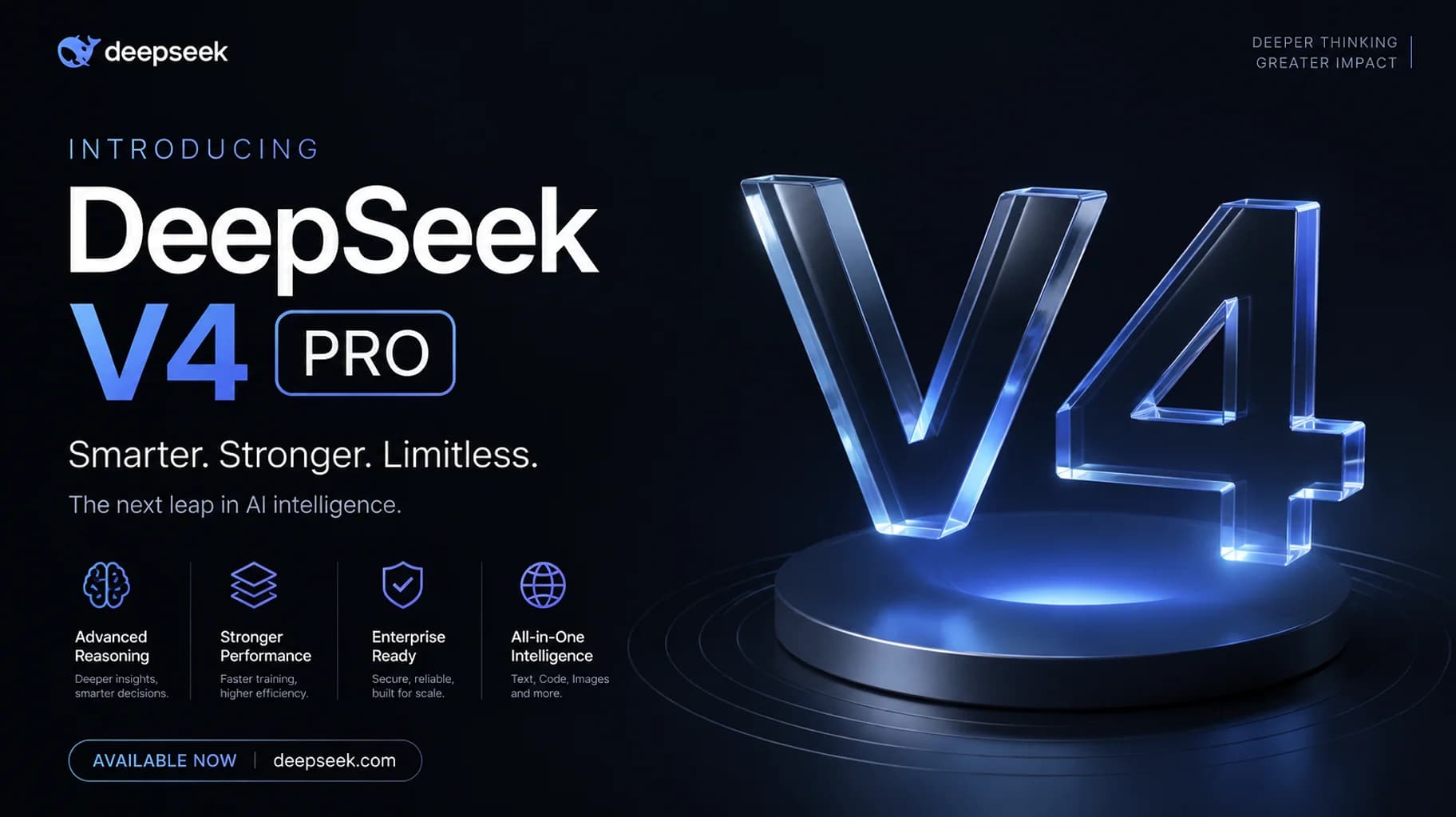
DeepSeek V4 Pro is DeepSeek's flagship open‑source Mixture‑of‑Experts (MoE) model with 1.6T total parameters and 49B activated parameters, featuring native support for million‑scale ultra‑long context. Built on massive high‑quality training data, it delivers state‑of‑the‑art capabilities in mathematical logic, complex reasoning, professional coding and in‑depth long‑text analysis, and is suitable for high‑difficulty scenarios including advanced scientific research, complex office work and deep intelligent agents.
DeepSeek‑V4‑Flash is an efficiency‑optimized variant of the DeepSeek V4 series. It targets developers who want to access the long‑context and reasoning capabilities of the V4 series via faster and lower‑cost API services. Compared with V4‑Pro, V4‑Flash has smaller total and activated parameter counts, which delivers faster response times and lower API call costs. Its reasoning capability is close to that of V4‑Pro, matching V4‑Pro on simple agent tasks. Observable performance gaps only emerge in the most demanding agent workflow scenarios. Its world‑knowledge base is slightly inferior to V4‑Pro, yet it remains highly competitive among open‑source models.
WAN 3.0 is an All‑in‑One reference‑based video generation model that uniformly supports multiple use cases including text‑to‑video, image‑to‑video (first‑frame / first‑and‑last‑frame), and reference‑based video generation. It can generate videos of up to 30 seconds in length.
Gemini 3.6 Flash is a high-efficiency model from Google for coding, agentic workflows, and web and app development. It is designed to produce polished outputs with fewer unnecessary edits and less hedging, while reducing token use and the number of model calls needed to complete a task.
Claude Opus 5 is Anthropic's flagship Opus series model, engineered for advanced reasoning, coding and high-value knowledge-intensive tasks. It delivers cutting-edge performance comparable to Claude Fable 5 at roughly half the cost. It accepts text, image and file inputs and generates text outputs, boasting a 1-million-token context window, making it ideal for complex software engineering, scientific research and long-running agent workflows.
Kimi K3 is Kimi’s most capable model to date, with 2.8 trillion parameters. Built on Kimi Delta Attention, a hybrid linear attention mechanism, and Attention Residuals, it offers native visual understanding and a 1M-token context window for frontier intelligence scenarios such as software engineering, knowledge work, and deep reasoning.
GLM-5.2 supports a larger context window and output length, with up to 1M context and 128K output tokens. It also delivers stronger coding performance and more advanced reasoning capabilities.
Grok 4.5 is SpaceXAI's frontier model built for coding, agentic tasks, and knowledge work. It was trained in SpaceXAI's data centers in Memphis with new datasets spanning science, engineering, and math.
GPT-5.6 Luna is a fast, cost-efficient model in OpenAI's GPT-5.6 series. It is suited for high-volume, latency-sensitive tasks such as chat, classification, and lightweight agentic workflows, providing capable reasoning for its price tier.
GPT-5.6 Terra is a high-capability GPT-5.6 series model designed for long-context, tool-enabled workflows across writing, coding, analysis, and multi-step problem solving. It supports text, image, and file inputs with text output, and is optimized for strong instruction following, reliable reasoning, and precise execution on complex tasks.
GPT-5.5 is a cutting-edge model launched by OpenAI, designed for complex professional work scenarios. It further enhances reasoning capability and operational stability based on GPT-5.4, and optimizes token usage efficiency for high-difficulty tasks. Boasting a context window of over one million tokens, the model supports dual input of text and images, and can accomplish large-scale logical reasoning, code writing and multimodal workflows within a single system.
Claude Sonnet 5 is built to be the most agentic Sonnet model yet. It can plan, use tools such as browsers and terminals, and operate autonomously at a level that only recently required larger and more expensive models.
Claude Opus 4.8 is Anthropic's most capable generally available model in the Opus family. It supports text, image, and file inputs with text output, with reasoning support and a 1M-token context window. It is suited for highly autonomous agents, long-horizon agentic work, knowledge work, and memory-driven tasks where coherence over extended sessions matters.
Claude Fable 5 is Anthropic's Mythos-class model, designed for autonomous knowledge work and coding. It accepts text, image, and file inputs, produces text output, and features reasoning capabilities along with a 1M-token context window. The model excels at long-running, complex, and asynchronous tasks that once demanded frequent human oversight. Its core strength lies in handling end-to-end work that would typically take a person hours, days, or even weeks — tackling problems that are extended, ambiguous, or involve many interdependent steps. It carries out well-defined tasks with minimal errors, self-corrects through built-in verification loops, and comes with robust safeguards.
Google Gemini Omni is a multimodal video generation and editing model. It can convert text, images and video references into coherent videos, and delivers stable scene consistency, world understanding capabilities and natural language control.
Gemini 3.5 Flash is designed to support high-speed, cost-effective and complex developer and agent workflows. It integrates powerful multi-step reasoning capabilities into a highly optimized and low-latency framework, enabling it to operate efficiently when running massive reasoning loops on a large scale.
GPT Image 2 is a new-generation image model developed by OpenAI, featuring enhanced realism, more refined image editing capabilities, sharper text rendering, and superior product rendering performance. Built specifically for advanced visual workflows, it not only breaks through the limitations of basic text-to-image generation but also fully meets the demands for high-quality creative, commercial, and professional design-level applications.
Claude Opus 4.7 handles complex, long-running tasks with rigor and consistency, pays precise attention to instructions, and devises ways to verify its own outputs before reporting back.
The Wan 2.7 video model enables one‑stop unified generation of text‑driven, image‑driven, and reference‑driven video content along with native synchronized audio. It delivers sharper details, smoother cinematic motion effects, and more coherent shot language, allowing large‑scale production of narrative content suitable for professional creation.
WAN 2.7 Image is a production-ready large model for AI image generation and image editing, featuring a built-in thinking mode that enhances reasoning capabilities and produces higher-quality output results.
Google's most cost-effective multimodal model, which can provide the fastest performance for high-frequency lightweight tasks. Gemini 3.1 Flash-Lite is most suitable for handling massive agent tasks, simple data extraction tasks, and extremely low-latency applications where budget and speed are the main constraints.
Gemini 3.1 Pro Preview is Google's cutting-edge reasoning model. It can improve software engineering performance, enhance the reliability of intelligent agents, and use tokens more efficiently in complex workflows.
Claude Opus 4.6 is built for agent programs that can operate throughout the entire workflow rather than just in a single prompt. Therefore, it is particularly efficient in handling large codebases, complex refactorings, and multi-step debugging that unfolds over time. Compared to previous generations of models, this model demonstrates deeper contextual understanding, stronger ability to decompose problems, and higher reliability in more difficult engineering tasks. In addition to coding, Claude Opus 4.6 also performs excellently in ongoing knowledge-based work. It can generate near-production-ready documents, plans, and analyses in one go, and maintain coherence in extremely long outputs and lengthy conversations. This makes it an ideal choice for tasks that require persistence, judgment, and execution capabilities, such as technical design, migration planning, and end-to-end project execution.
Grok Imagine is an xAI's multimodal video model capable of generating images and short videos from text or images. It features fast generation speed, synchronized audio and video, deliver a more expressive visual style.
GPT-5.4 Pro is OpenAI's most advanced model. It is built on the unified architecture of GPT-5.4, with stronger reasoning capabilities, enabling it to handle complex and high-risk tasks. This model has a context window of over 1 million tokens (922,000 for input and 128,000 for output) and supports both text and image inputs. GPT-5.4 Pro has been optimized for step-by-step reasoning, instruction following, and accuracy, and excels in agent coding, long-context workflows, and multi-step problem solving.
GPT-5.4 is OpenAI's latest cutting-edge large model, which integrates the Codex series and the GPT series into a unified system. The model has a context window of over 1 million tokens (922,000 input tokens and 128,000 output tokens), supports text and image inputs, and can perform high-context reasoning, coding, and multimodal analysis within the same workflow. The model delivers improved performance in coding, document understanding, tool usage, and instruction execution. It is designed as a robust choice for both general-purpose tasks and software engineering scenarios, capable of generating production-grade code, integrating information from multiple sources, and executing complex multi-step workflows with fewer iterations and higher token efficiency.
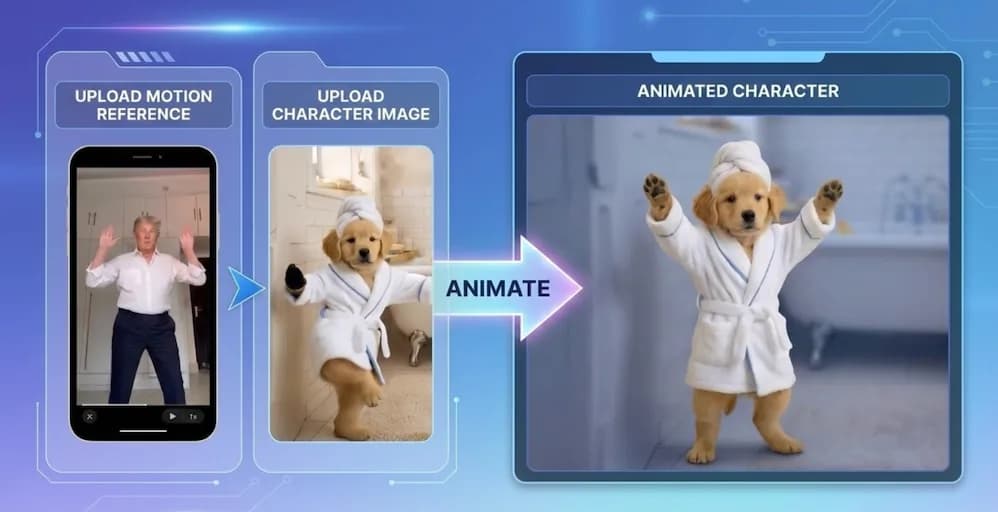
Seedance 2.0 is a new generation of AI video generation model launched by ByteDance, focusing on high-quality and long-duration video creation. The current version is the full‑capacity Seedance 2.0 model, which supports real‑life subjects and human faces. Core highlights: • Smooth movements: Complex character movements and camera movements are natural and smooth • Precise control: Supports text, image, and pose guidance • Fast generation: Optimized inference, significantly improving generation efficiency Compared with the previous generation, Seedance 2.0 has comprehensively evolved in terms of picture quality, movement coherence, and semantic understanding, making it suitable for creators to quickly produce professional-grade video content. $Official Original Pricing Based on Token Billing: 480P/720P: Original price: $4.3/mTokens with video input, $7/mTokens without video input 1080P: Original price: $4.7/mTokens with video input, $7.7/mTokens without video input 4K: Original price: $2.4/mTokens with video input, $5/mTokens without video input Unconditional discount price: 10% off. Contact us for larger discounts!
Claude Sonnet 4.6 It excels at iterative development, complex codebase navigation, end-to-end project management with memory, polished document creation, and confident computer use for web QA and workflow automation.
Seedance 1.0 is the latest video generation basic model launched by the ByteDance Doubao large model team. It has made breakthroughs in semantic understanding and instruction-following capabilities, and can generate 1080P high-definition videos with smooth movements, rich details, diverse styles, and film-level aesthetics. Suitable for overseas teams to use.
Seedance 1.5 Pro is the latest audio and video generation model launched by ByteDance. It can generate film - level videos, synchronized audio and multilingual dialogues, and supports film - level camera movement control.
Claude Haiku 4.5 is Anthropic’s fastest and most efficient model, delivering Claude Sonnet 4-level frontier performance at minimal cost and latency, purpose-built for real-time and high-volume applications.
Sora 2 is OpenAI’s next‑generation AI video creation engine, designed to transform text and images into high‑quality videos with ease. Featuring enhanced motion realism, consistent physics, and greater control over style, scenes, and aspect ratios, Sora 2 empowers creators to bring ideas to life faster—making it an ideal solution for creative platforms, marketing campaigns, and social media content.
Google DeepMind's upgraded AI video model offers realistic motion generation, extended video duration, multi-image reference control, and synchronized native audio output, supporting 1080p image quality.
Nano Banana is an advanced AI image generation and editing model released by Google. It excels in natural language-driven creation, can output ultra-realistic images with physical consistency, and supports seamless style conversion.





 BytePlus