

Qwen Image 3.0
Qwen-Image 3.0 is Alibaba's third-generation image foundation model, accepting prompts up to 4.5k tokens so a single request can render a full 3x3 infographic grid, a newspaper page, a LaTeX paper, or nested UI scenes. Ten-pixel text stays legible, 12 languages render natively, and one model ID handles both text-to-image and instruction-based editing with up to 3 reference images.
Available Models

Qwen Image 3.0
Qwen Image 3.0 renders dense, information-rich images in a single pass: full newspaper pages, multi-cell infographic grids, LaTeX papers, menus and UI mockups, with text down to 10px across 12 languages. One model ID handles text-to-image and instruction-based editing with up to 3 reference images, returning 1-6 PNG images per request.
Qwen Image 3.0 Pro
Qwen Image 3.0 Pro is the flagship of the 3.0 generation, trading throughput for texture fidelity, typography stability and instruction adherence. It excels at photorealistic skin and hair detail, dense multilingual layouts, and multi-layer UI scenes, and supports both text-to-image and editing with up to 3 reference images at 1-6 images per request.
Released Jul 21, 2026By Alibaba Qwen · OpenAI-compatible image API
Qwen Image 3.0 APIText that stays readable. At 10px.
Qwen Image 3.0 accepts prompts up to 4.5k tokens, enough to describe a nine-cell infographic grid in one request. Newspaper pages, LaTeX papers, menus and UI scenes come back with legible type in 12 languages - and the same model ID edits an image when you pass reference pictures.
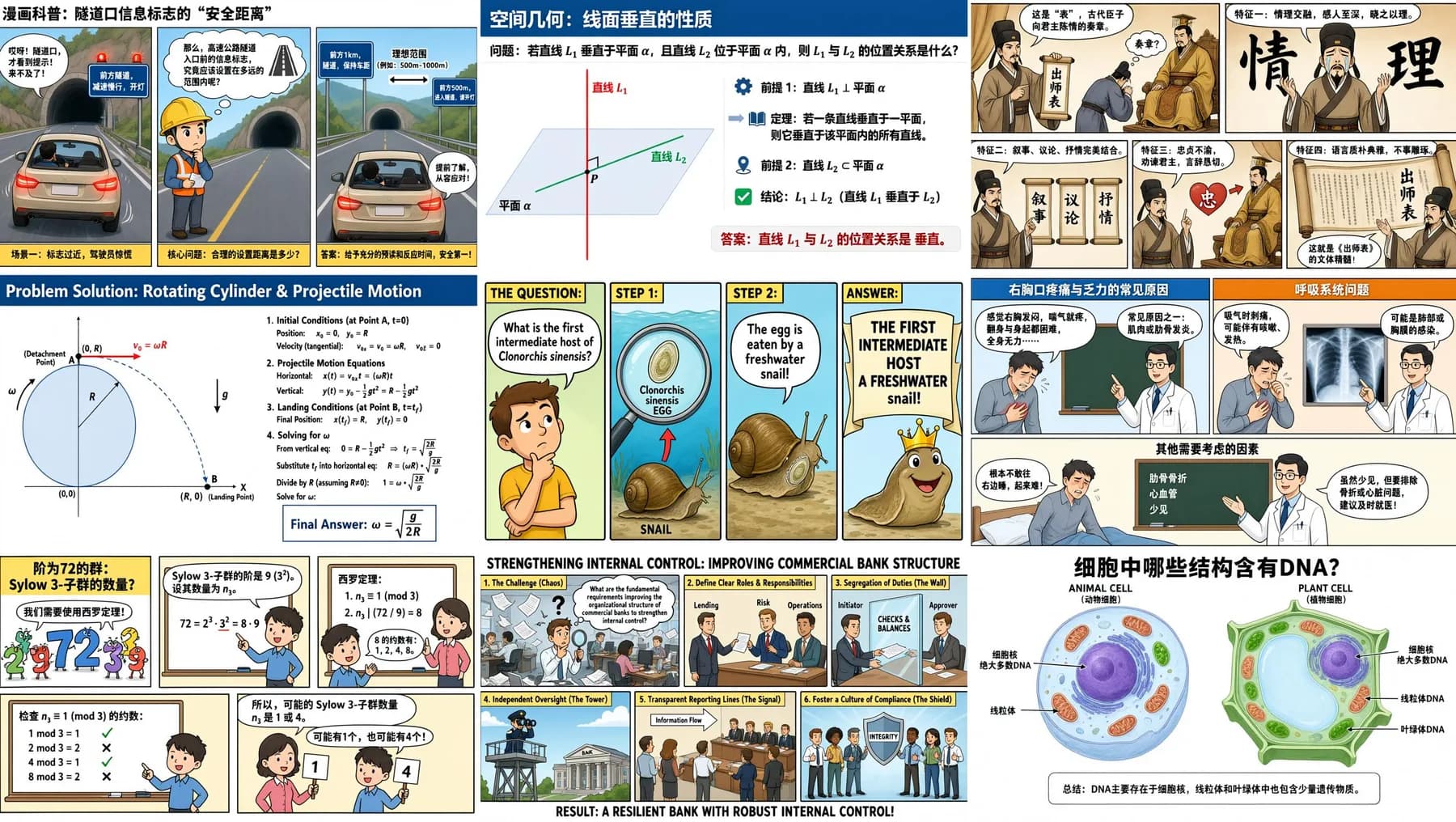
This is the original output, not a downscaled screenshot: the type you read in the lens is the type the model actually rendered. Drag on touch screens, or focus the grid and use the arrow keys.
- Prompt length
- 4.5k
- tokens per request, about 4.5x the previous generation
- Smallest text
- 10px
- still legible in rendered layouts
- Languages
- 12
- native rendering, 20+ typefaces
- Reference images
- 3
- for instruction-based editing
- Images per call
- 6
- set n from 1 to 6
- Output size
- 2048²
- 512² to 2048² total pixels, 1:8-8:1
Capabilities
Dense layouts, real detail, world knowledge
Three things separate 3.0 from earlier image models: it can hold a very long instruction, it renders small type, and it knows what the layout is supposed to look like.
Rich content
One prompt, nine finished panels
The grid above was generated in a single pass from a 3.7k-token instruction describing nine unrelated infographics: a tunnel safety comic, a geometry lesson, projectile motion, parasitology, a chest-pain diagram, Sylow theorems, a bank control chart and a DNA comparison.
- 01
- Every cell carries its own headings, body text, formulas and diagrams without bleeding into its neighbours.
- 02
- Semantic juxtaposition holds: the model places nine unrelated subjects on one canvas in a readable order.
- 03
- Raising the prompt budget to 4.5k tokens is what makes layouts of this density possible.
Nested structure
A picture inside a picture inside a picture
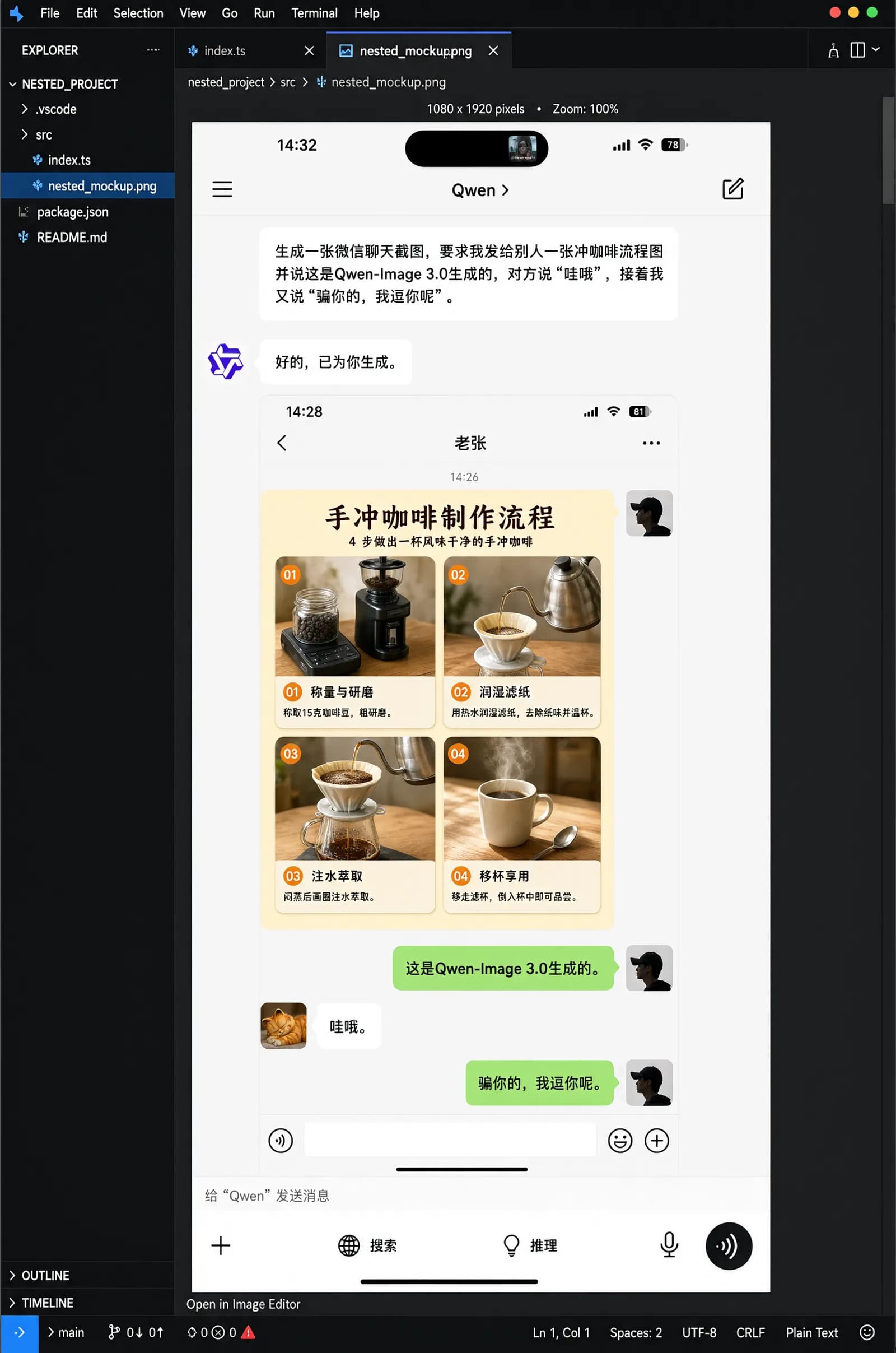
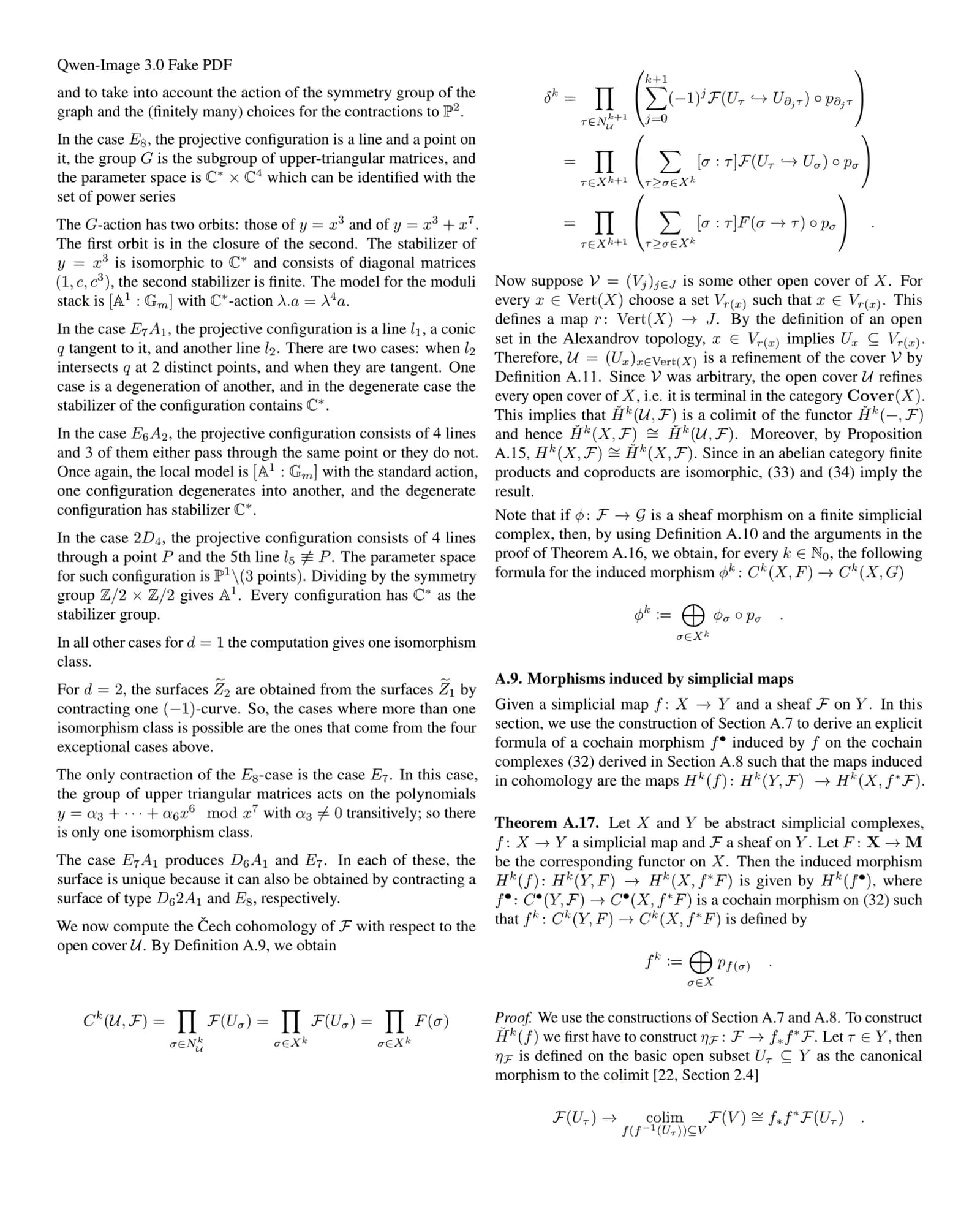
Depth is the other half of rich content. Given one instruction, the model renders a code editor showing a chat window showing a messaging app showing a coffee poster - each layer keeping the visual language of its own interface.
Useful when you need a believable screenshot of a product that does not exist yet.
01
LaTeX, page after page
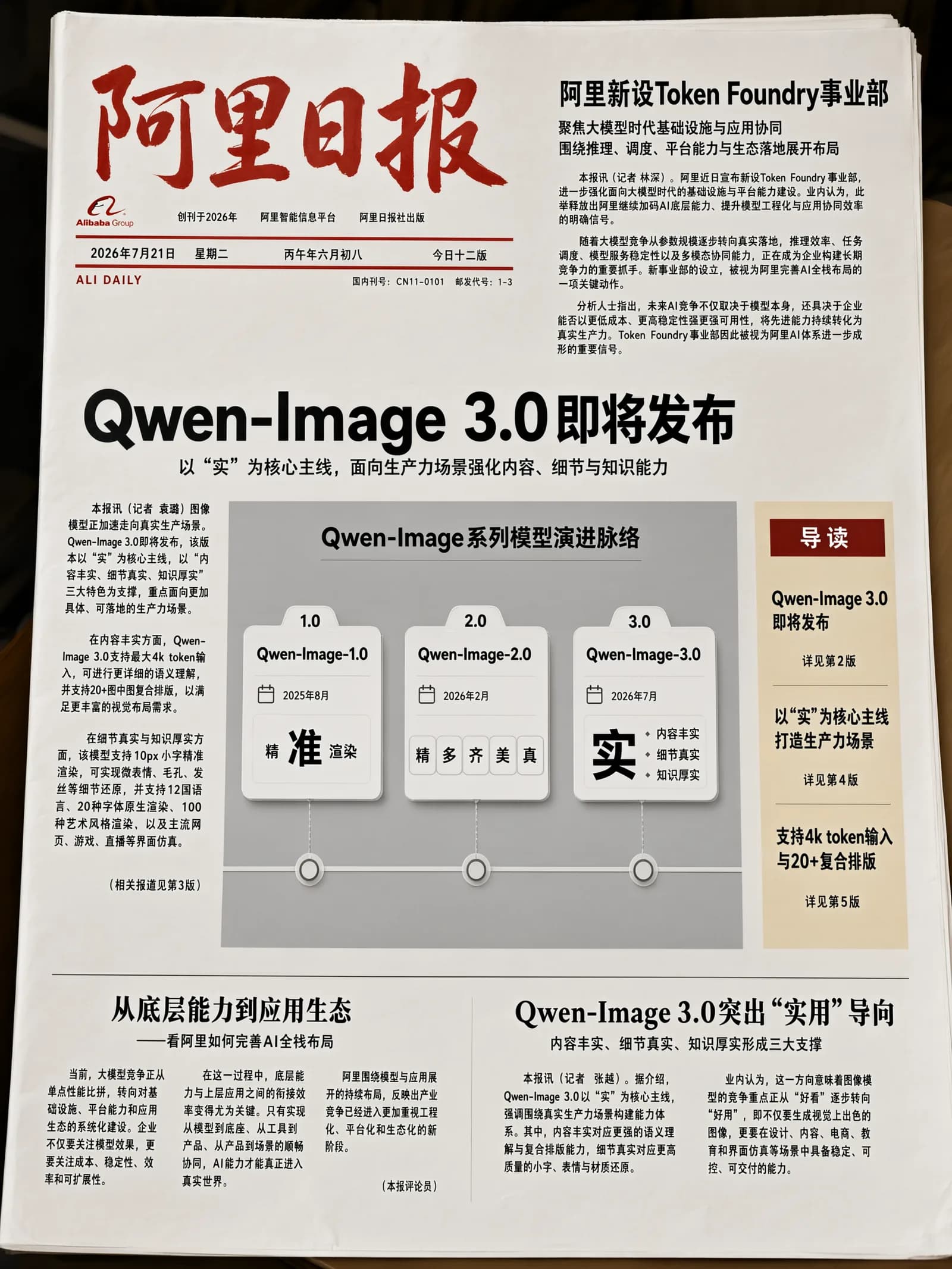
Full-page academic layouts with multi-line derivations, subscripts, superscripts, brace groups and theorem numbering.
02
Newspaper type
Justified columns, a masthead, captions and page numbers, printed on textured newsprint.
Examples
Images made with Qwen Image 3.0
Every image below is an official output from the 3.0 launch announcement, kept at full resolution so you can judge the type and texture yourself.
Nine infographics in one pass
A 3x3 grid of educational infographic cells generated in one pass: tunnel safety comic, spatial geometry lesson, classical Chinese essay analysis, projectile motion, parasitology, chest-pain diagram, Sylow theorems, bank internal-control chart, and a cell DNA comparison.
Newspaper front page
A full newspaper front page: dense justified columns, a masthead, a wide news photograph, captions and page numbers, printed on slightly textured newsprint.
LaTeX paper page
A single printed page from an algebraic geometry paper: multi-line LaTeX derivations with subscripts, superscripts, brace groups, fraction bars and theorem numbering, fully legible at small type sizes.
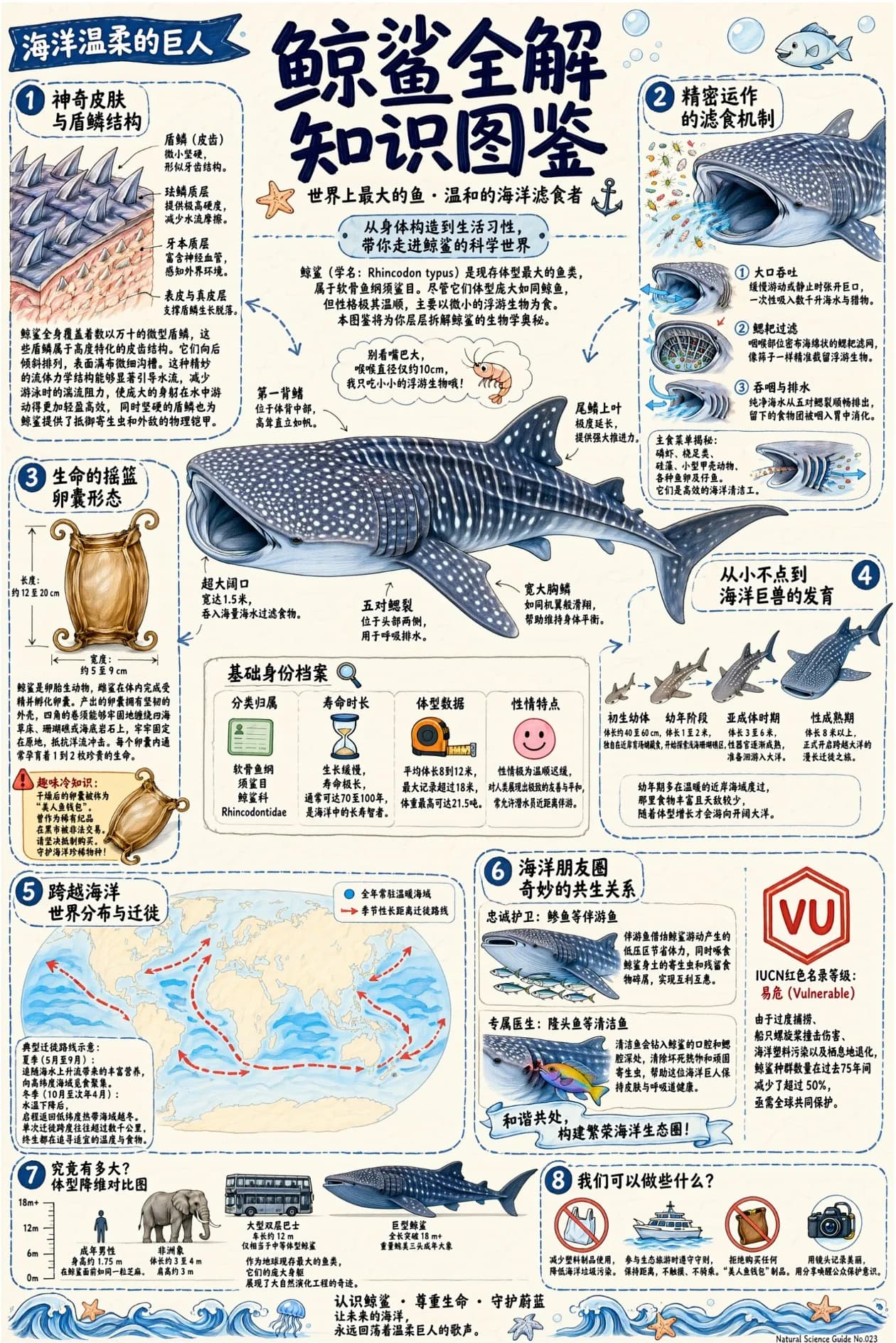
Whale shark infographic
A whale shark knowledge infographic: anatomical labels, a distribution map, a size comparison chart and a short facts panel, all with legible typography.
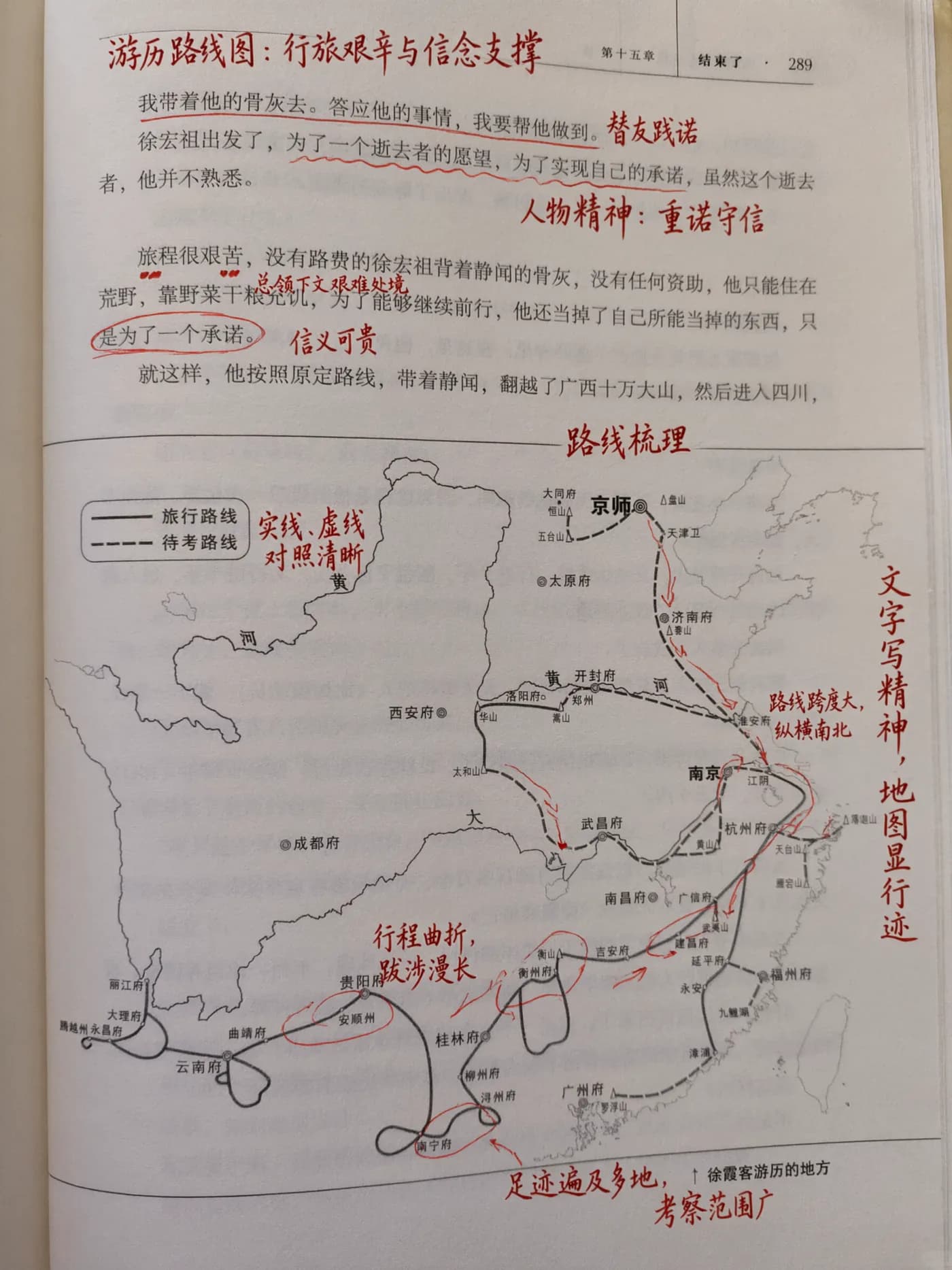
Handwritten annotations
A book page with realistic red handwritten annotations: underlines, wavy lines, circles, arrows and short margin comments in fluent student handwriting.
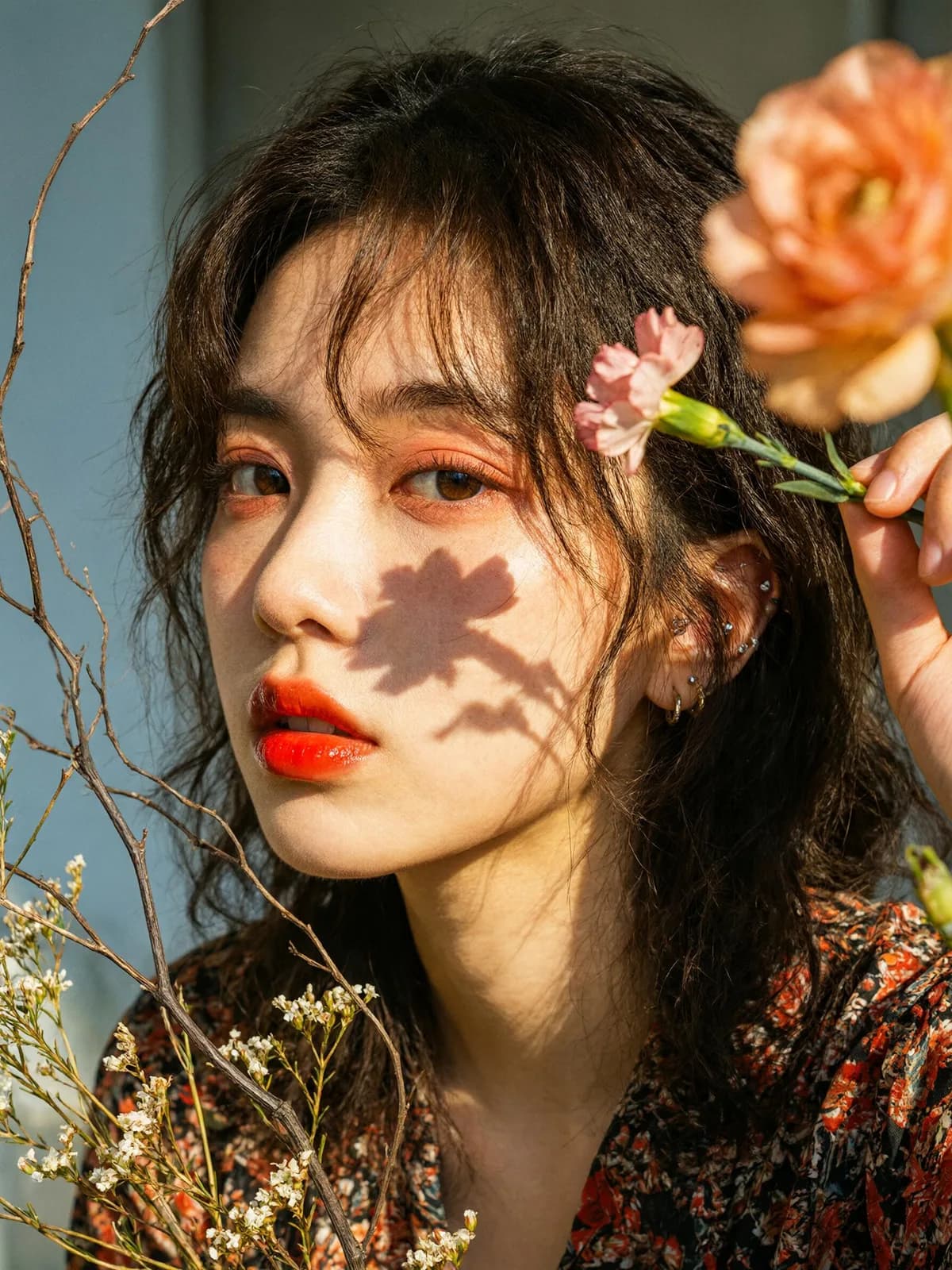
Golden-hour portrait
A vertical outdoor portrait at golden hour, backlit waves of black hair with a fine rim light, coral-red lips, visible skin texture and individual hair strands.
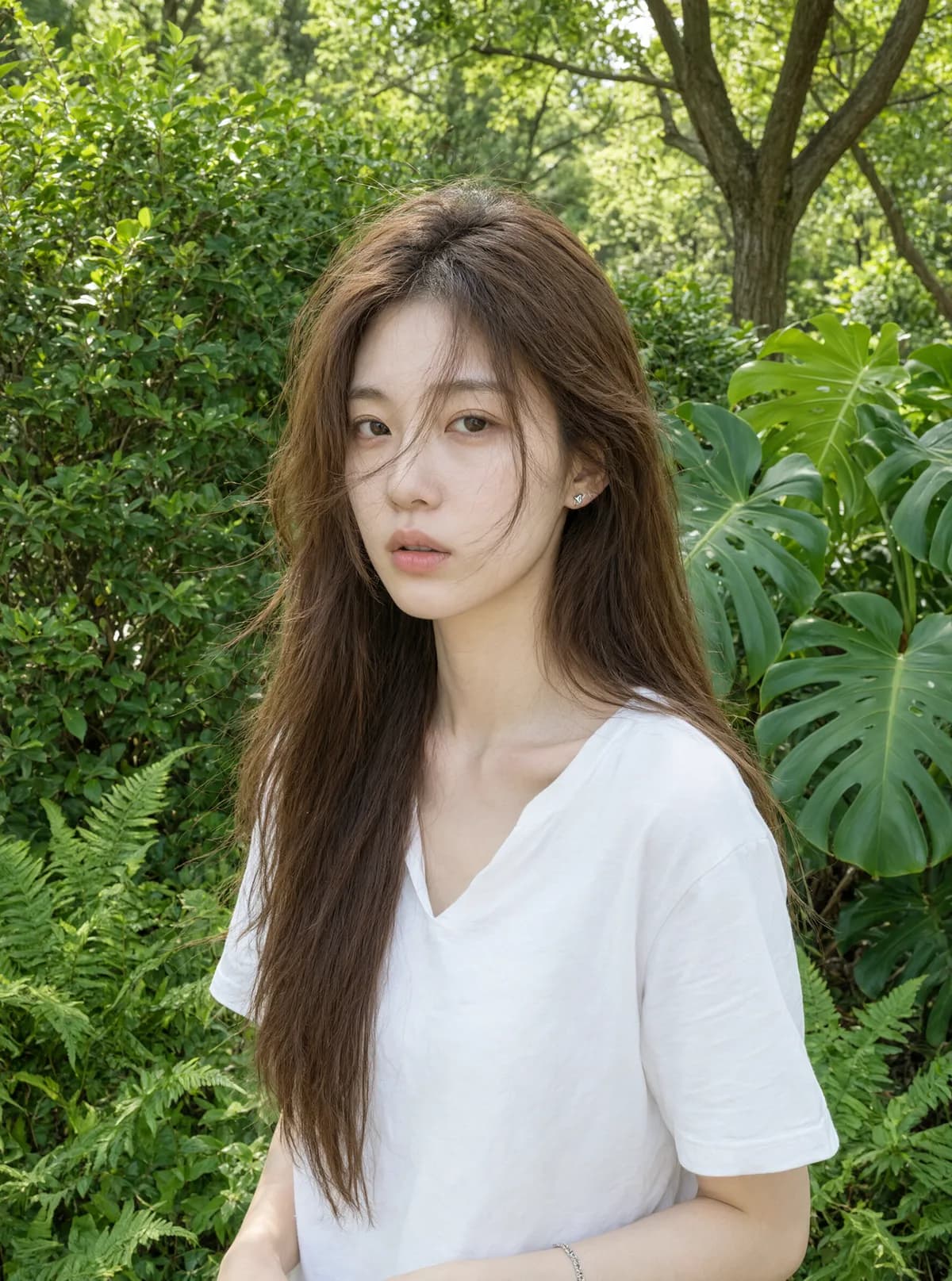
Close portrait study
A close portrait study with natural window light: pores, fine facial hair and individual eyelashes resolved, no plastic smoothing.
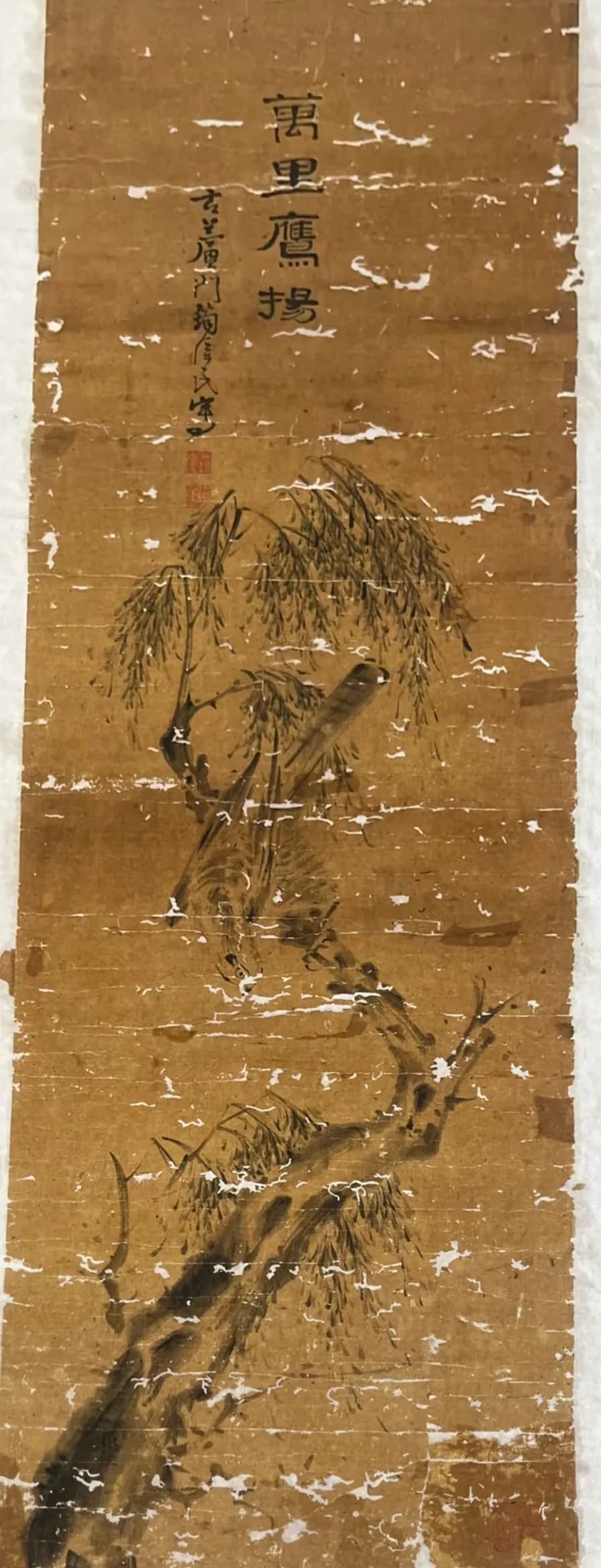
Ink-wash restoration
Restore a damaged ink-wash painting of an eagle in combat: reconstruct the missing areas with brushwork consistent with the original, preserving ink gradients and feather texture while removing mold spots.
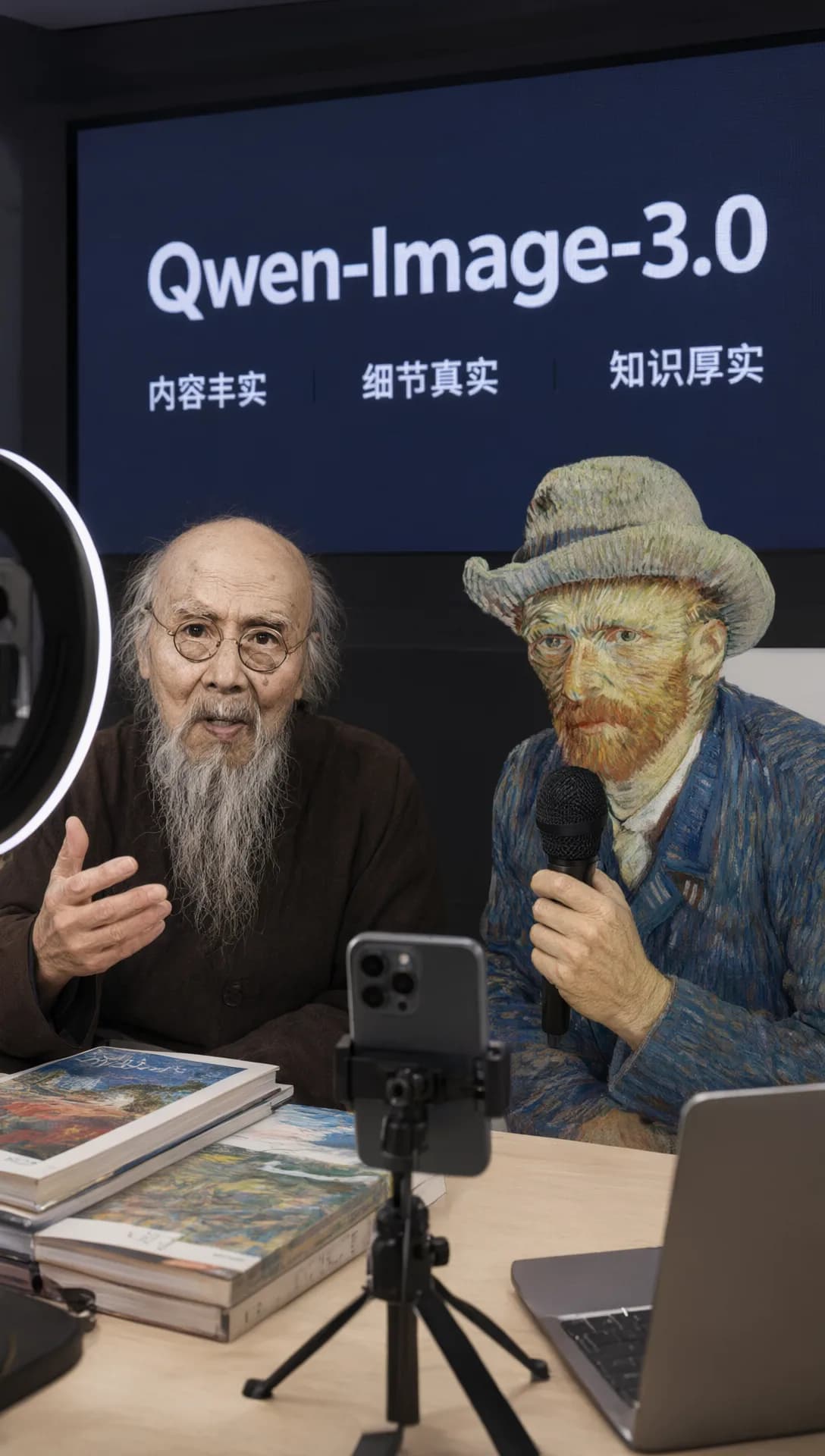
Vertical livestream UI
A realistic vertical livestream interface screenshot for a Qwen Image 3.0 launch stream, with viewer counts, chat overlay, product cards and platform chrome rendered as a working UI.
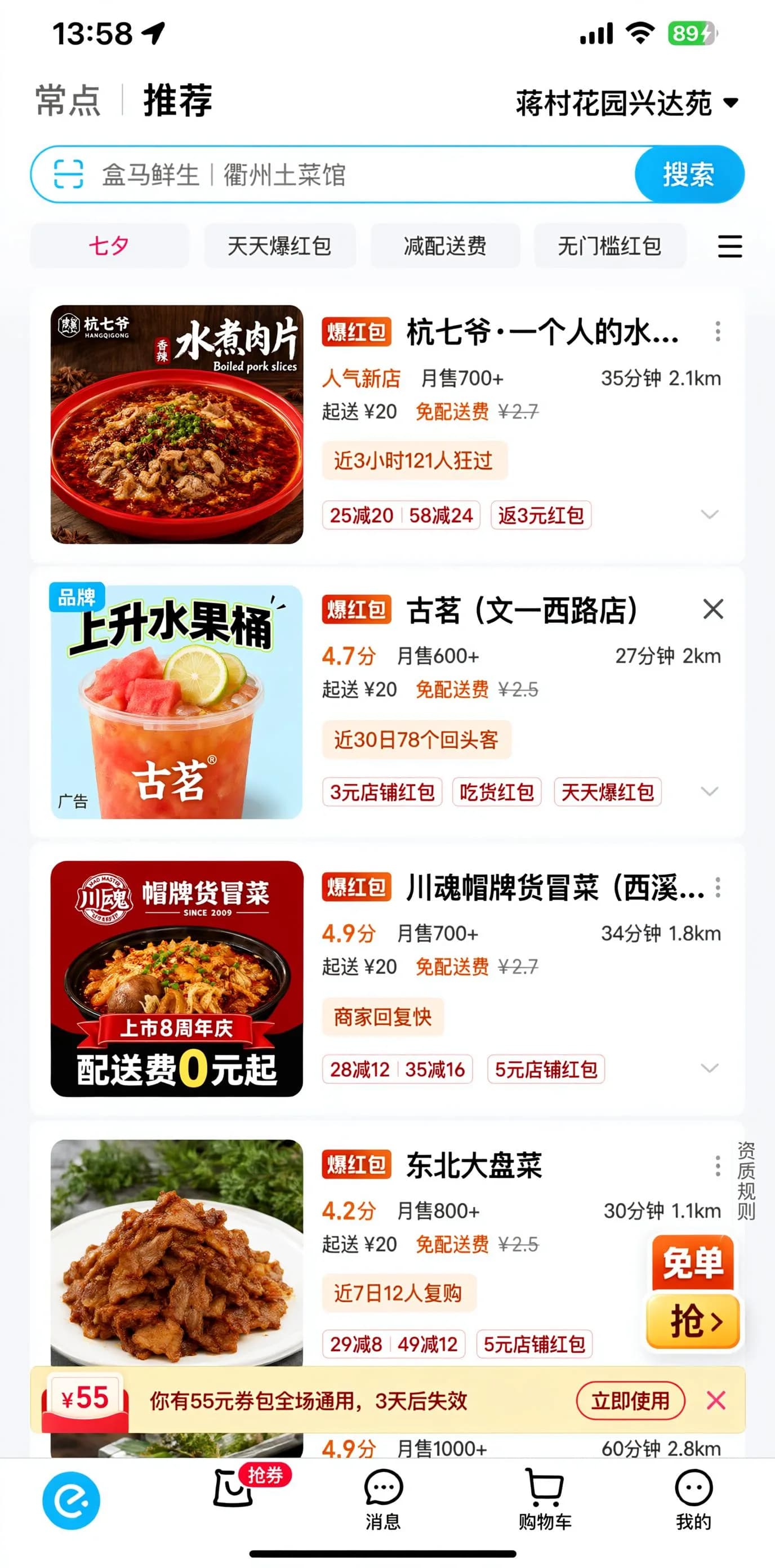
Long-scroll game store
A long-scroll game storefront interface with hero banner, category carousels, price tags and a download progress panel, rendered as a coherent product UI rather than a mockup collage.
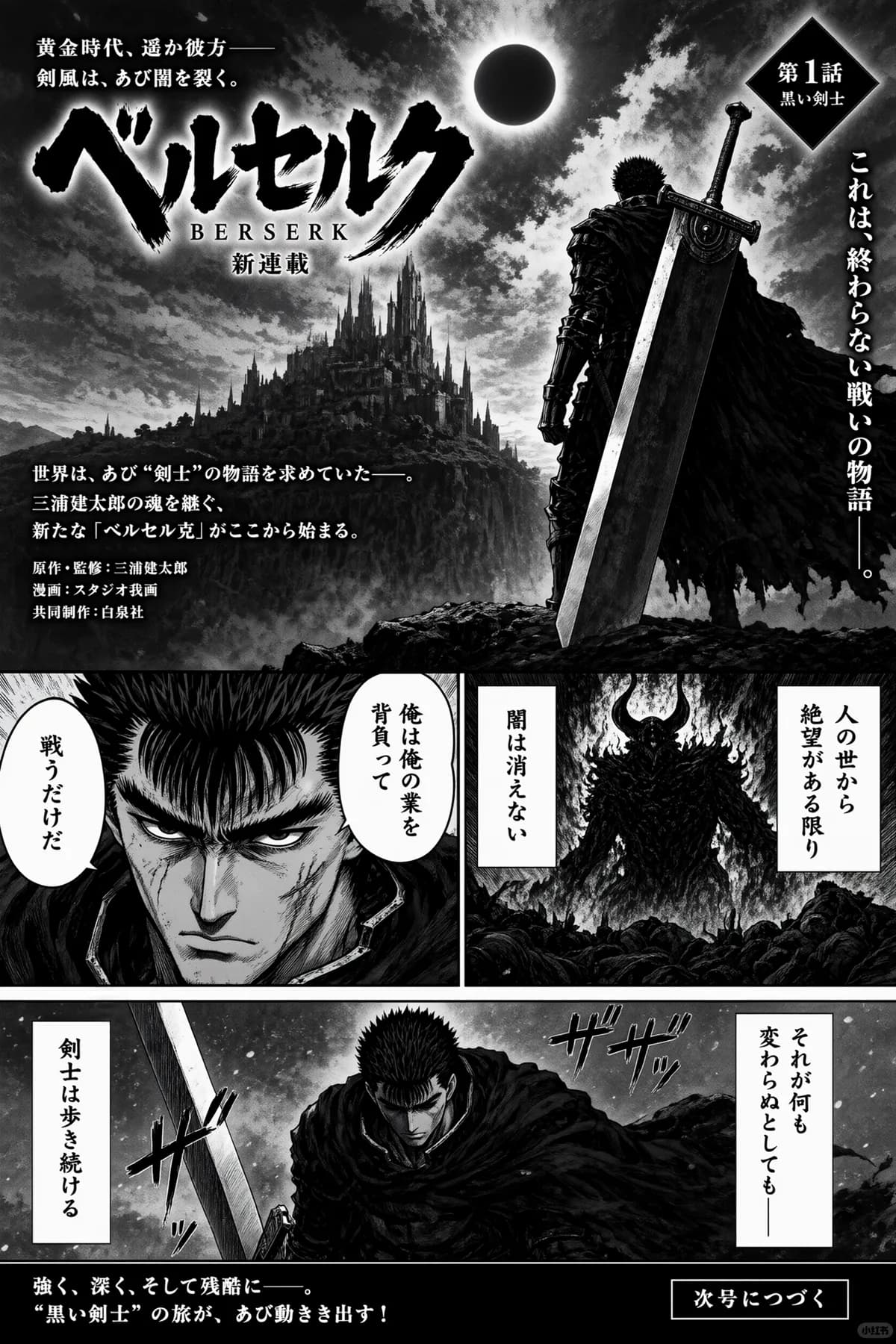
Japanese poster
A poster in native Japanese typography: vertical headline, furigana and a dense body paragraph, all rendered without garbled glyphs.
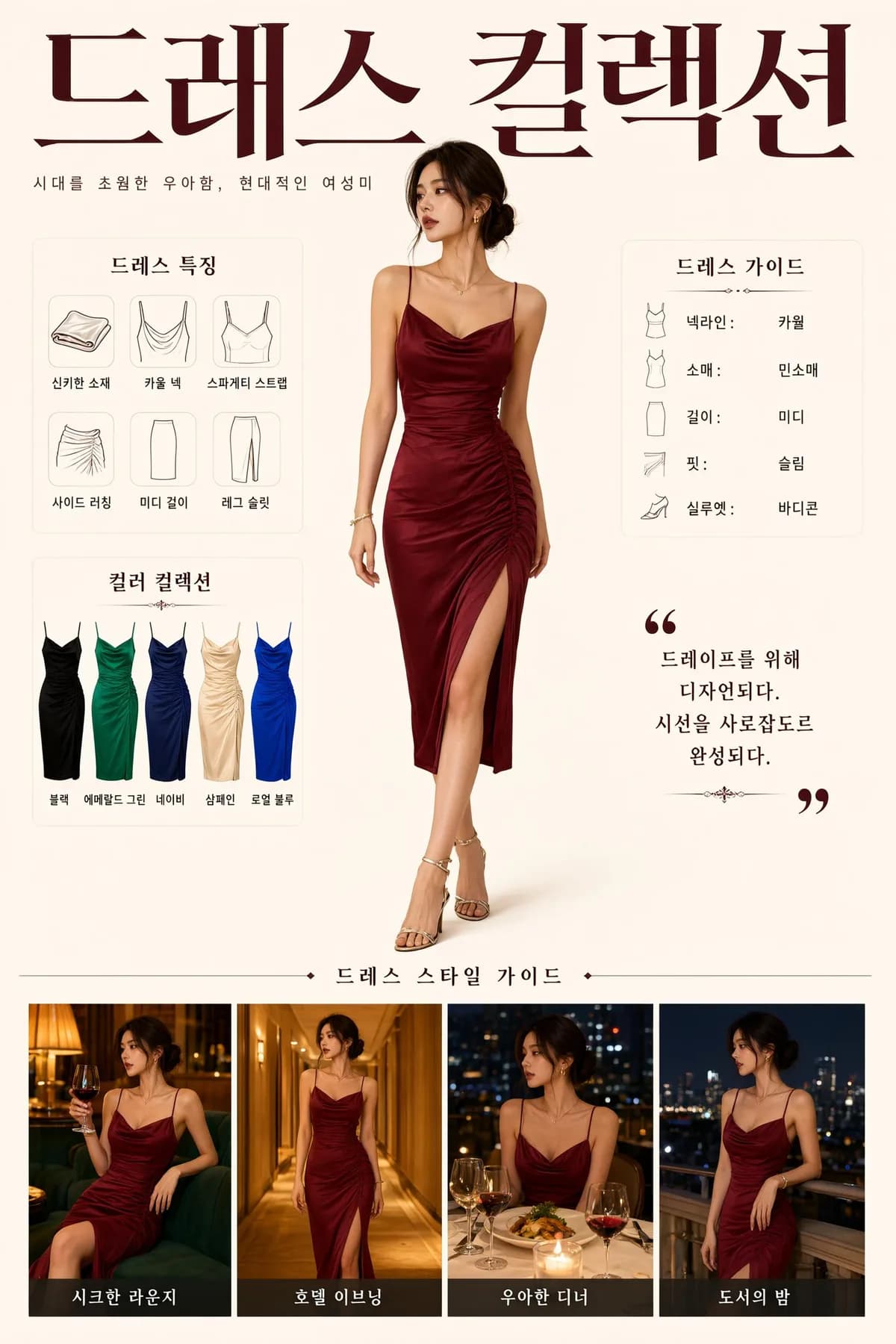
Korean editorial
A Korean editorial layout with Hangul headlines, mixed script captions and a product photo, rendered with correct letterforms.
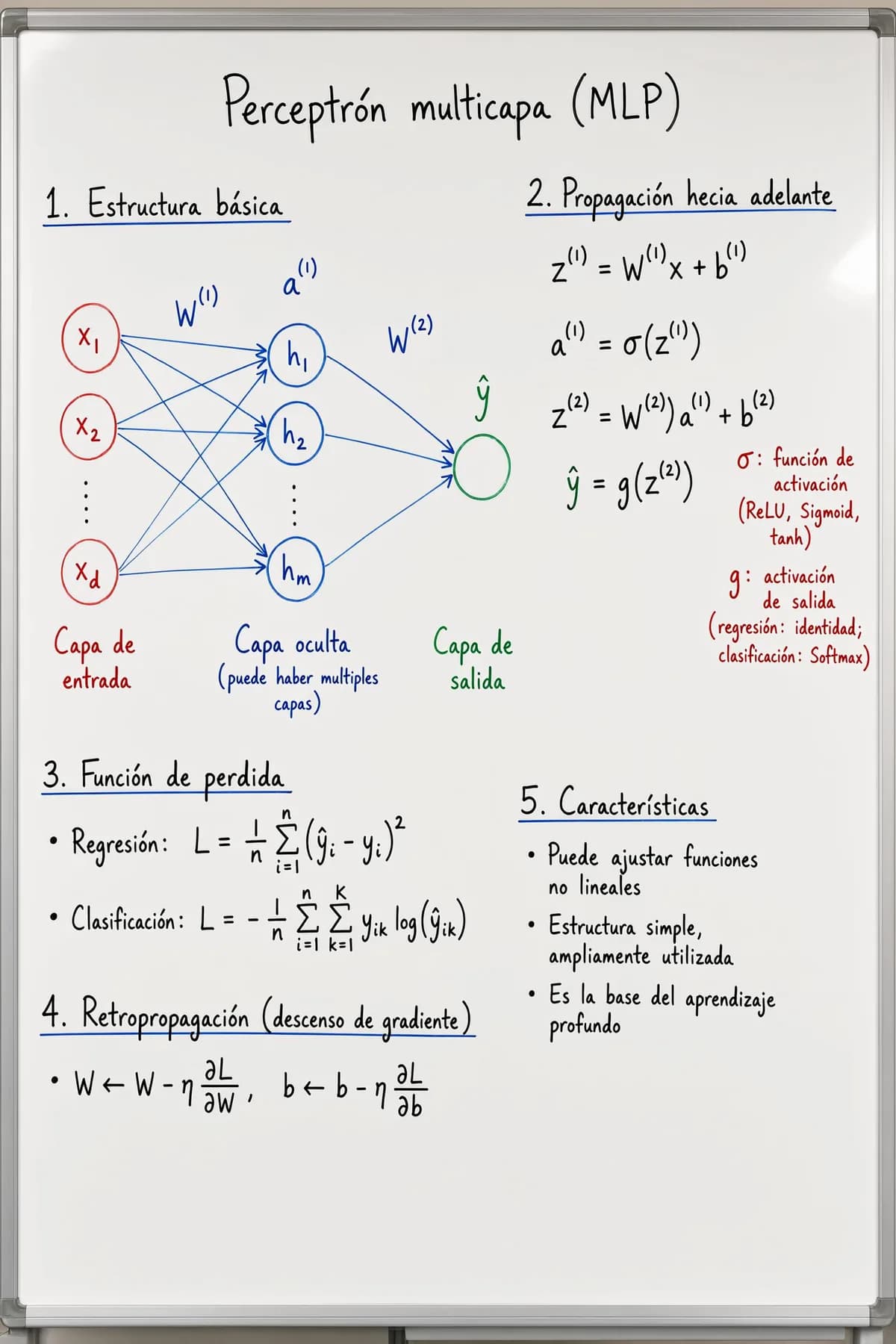
Spanish travel poster
A Spanish-language travel poster with a large serif headline, accented characters and a small print block.
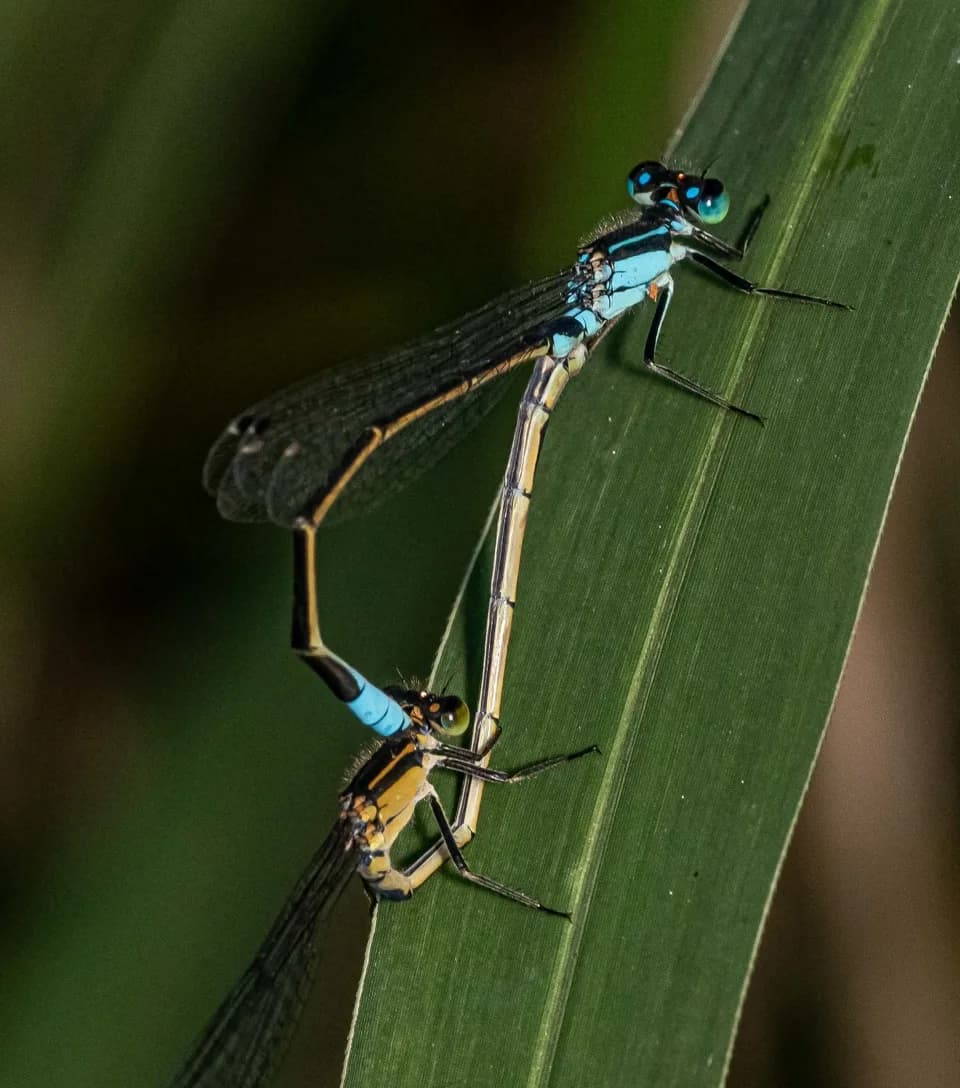
Publication-ready figure
Turn a field photograph of an insect into a publication-ready research figure: taxonomic header, morphological annotations with leader lines, magnified detail insets and a scale bar.
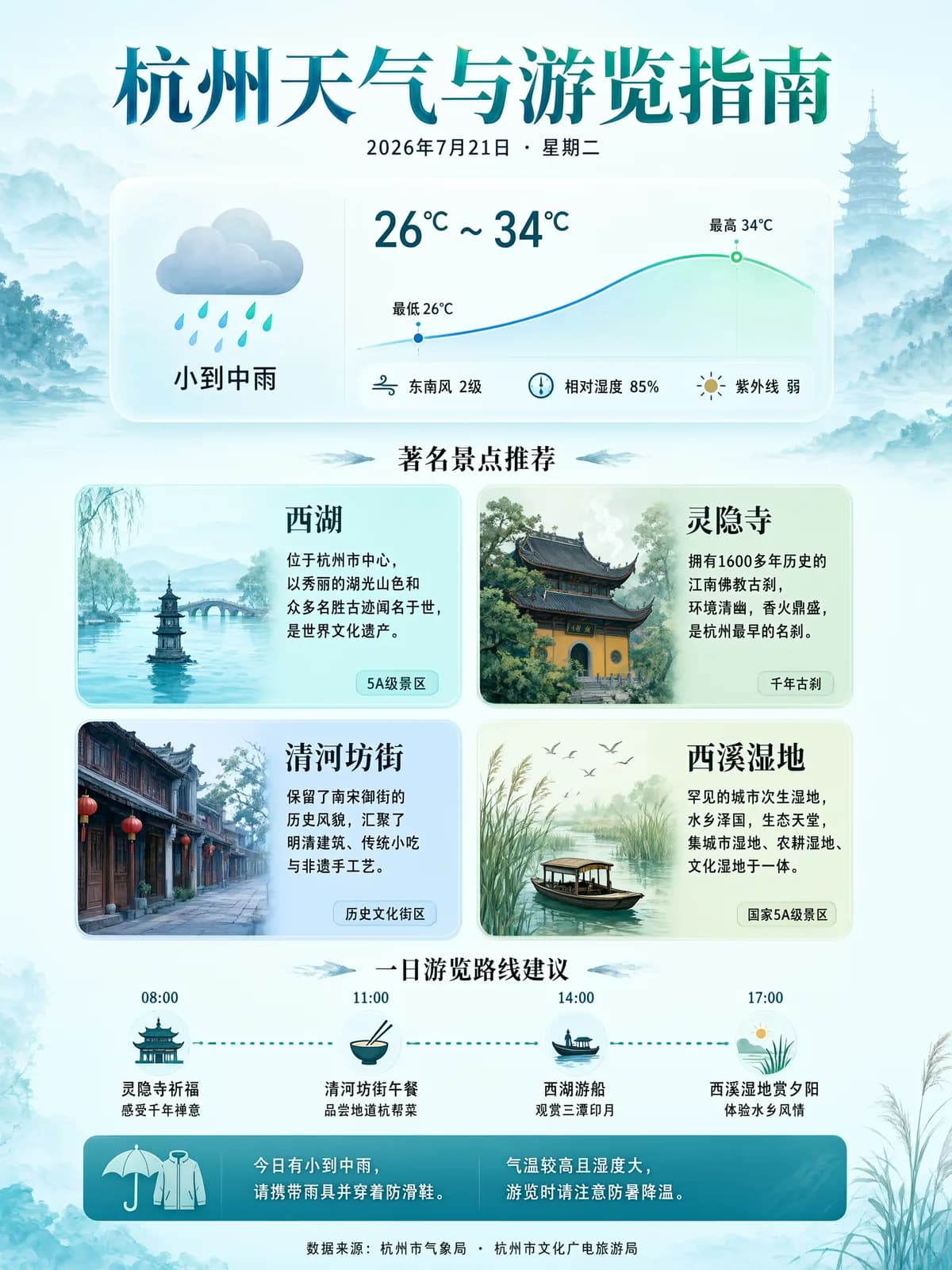
Weather forecast graphic
A weather forecast graphic for Hangzhou on July 21, with a temperature curve, city map, hourly icons and legible Chinese labels.
Streaming dashboard
A wide desktop streaming-dashboard interface with a player, live chat column and recommended-content rail, rendered as one coherent screen.
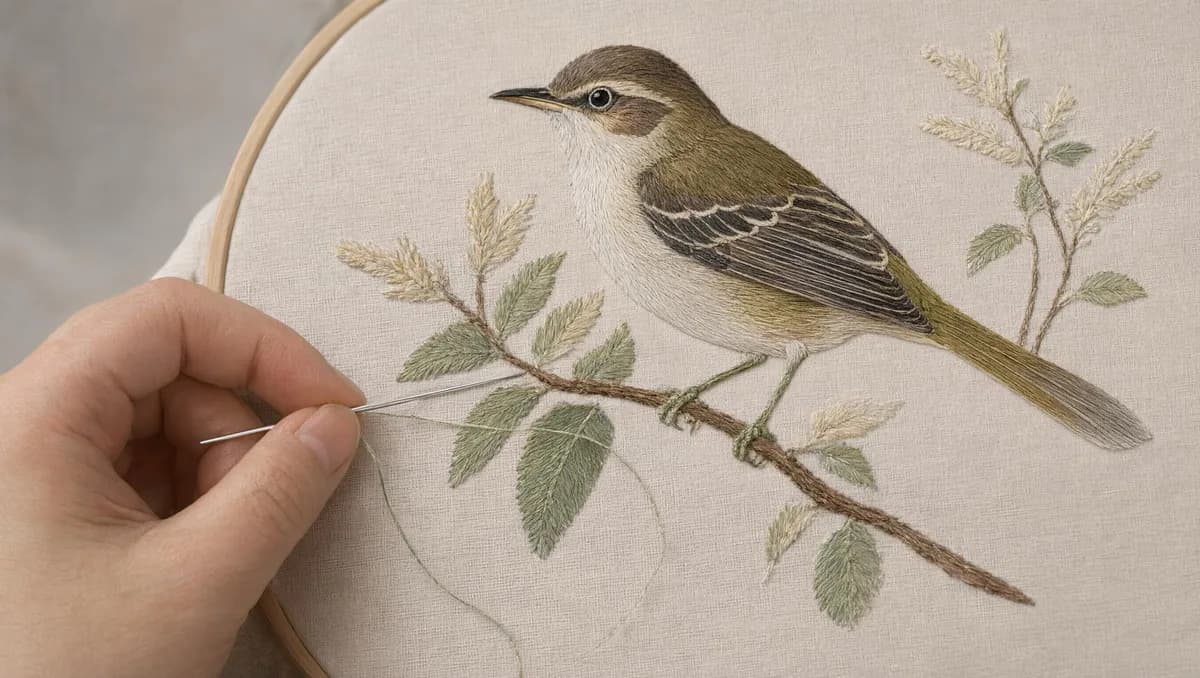
Woven textile macro
An extreme close-up of a woven textile with visible individual fibers, contact shadows and a shallow depth of field.
Metal and glass macro
A macro still life of brushed metal and glass, with accurate specular highlights and micro-scratches.
Prompt text is reproduced from Alibaba's launch announcement and shortened where needed for the card. Images are self-hosted copies of the original outputs.
Benchmarks
Where Qwen Image 3.0 lands
Independent text-to-image arenas put the 3.0 family at the top of Chinese image models. Numbers below are from the published leaderboards, with their dates.
Artificial Analysis · Pro
1089
Elo in the Image Arena snapshot dated Oct 14, 2026.
Artificial Analysis · Standard
1074
The standard tier trails Pro by 15 Elo, at a lower price per image.
LMArena · text-to-image
#14
Elo 1254 on the LMArena text-to-image board dated Nov 7, 2026.
Scores come from the public leaderboards and shift as new models are added; treat them as a snapshot, not a guarantee. Source: qwen.ai
Models & pricing
Two tiers, one contract
Both models share the same request shape, the same 4.5k-token prompt budget and the same editing path. Pro buys texture and typography stability; Standard buys throughput.
qwen-image-3.0
Batch output
Dense layouts and legible type at the lower per-image price, built for posters, storyboards and daily content.
- Output 1K
- 1K and 2K
- $0.03 / image
- Output 2K
- 1K and 2K
- $0.03 / image
Best value for volume. For micro-detail and print-grade texture, step up to Pro.
View modelqwen-image-3.0-pro
Detail-first
Finer textures, stabler typography and stronger prompt adherence, for print-quality posters and complex UI scenes.
- Output 1K
- 2K costs 1.875x
- $0.04 / image
- Output 2K
- 2K costs 1.875x
- $0.075 / image
Highest per-image cost in the family. Draft with Standard, finish with Pro.
View modelPrices are per generated image and are billed at the tier of the delivered resolution: 1K and 2K differ on Pro ($0.04 vs $0.075). When you omit size, the model picks a resolution from the prompt and the request is billed at the 2K tier. Editing is the same endpoint with image_urls attached.
API
One endpoint for generation and editing
Submit an image task, poll until it completes, and read the result array. The same model ID edits when image_urls is present, so you do not need a second model for touch-ups.
- ·POST /v1/images/generations returns a task_id immediately; generation runs asynchronously.
- ·GET /v1/images/status/{task_id} reports processing, completed or failed with the result URLs.
- ·Send size as "宽*高" in total pixels between 512*512 and 2048*2048; omit it to let the model choose.
curl -X POST https://api.apipod.ai/v1/images/generations \
  -H "Authorization: Bearer $APIPOD_API_KEY" \
  -H "Content-Type: application/json" \
  -d '{
  "model": "qwen-image-3.0",
  "prompt": "A 3x3 grid of educational infographics: tunnel safety comic, spatial geometry, projectile motion, parasitology, Sylow theorems and a DNA comparison, with legible Chinese and English labels.",
  "n": 1,
  "prompt_extend": false
}'

# {"task_id":"tsk_...","status":"processing"}
# GET https://api.apipod.ai/v1/images/status/tsk_...
URLs returned by the upstream expire after 24 hours; APIPod mirrors finished images to storage, so the result URLs you receive stay valid.
Choose a tier
Qwen Image 3.0 vs Qwen Image 2.1
3.0 is the layout and typography generation. 2.1 is the compact editing generation with native transparency. Both are live on the same API key.
| Spec | Qwen Image 3.0 | Qwen Image 2.1 |
|---|---|---|
| Built for | Dense layouts, typography, UI and print | Generation, editing and cut-outs |
| Prompt budget | Up to 4.5k tokens | Short to medium instructions |
| Text rendering | 10px minimum, 12 languages | Strong typography, no 10px claim |
| Reference images | Up to 3 | Up to 10, with circle and mask edits |
| Transparency | Not a focus | Native RGBA output |
| Entry price | $0.03 / image | $0.016 / image (Turbo) |
If your work is about text inside images, pick 3.0. If it is about cutting out subjects, transparent assets or many reference images, pick 2.1.
FAQ
Questions people ask
What is Qwen Image 3.0?
It is Alibaba Qwen's third-generation image foundation model, released in July 2026. It generates and edits images from text, accepts prompts up to 4.5k tokens, renders text down to 10px across 12 languages, and simulates real interfaces such as web pages, games and livestreams.
How do I call it on APIPod?
Create an API key in the console and point any OpenAI-compatible client at https://api.apipod.ai/v1 with model qwen-image-3.0 or qwen-image-3.0-pro. Requests are asynchronous: submit to /v1/images/generations, then poll /v1/images/status/{task_id}.
How is it billed?
Per generated image, at the tier of the delivered resolution. On Pro, a 1K image and a 2K image are priced differently; on Standard both tiers cost the same. If you do not send size, the model chooses a resolution and the request is billed at the 2K tier.
Can I rely on the text inside the image?
For headings, labels and short blocks, yes - that is what the 4.5k-token prompt budget and 10px rendering are for. Long passages can still contain wrong or substituted characters, so keep critical copy short or correct it afterwards.
What sizes and counts are supported?
Total pixels between 512*512 and 2048*2048, with aspect ratios from 1:8 to 8:1; 16:9 at 2K is 2688*1536. n can be 1 to 6 per request, and each returned image is billed separately.
Do I need a separate model to edit an image?
No. Send image_urls with the same model ID and the request becomes an edit: up to 3 reference images on the 3.0 family. Without image_urls the same model generates from text only.
Should I use 3.0 or 2.1?
Pick 3.0 when text, layout and print fidelity are the point. Pick 2.1 when you need transparent assets, subject cut-outs or up to 10 reference images in one edit. Both share the same API surface, so switching is a one-line model change.
Put a readable layout on the first try.
Create a key, send one prompt, and check the type at 100% before you ship it.