APIPod logoAPIPod
Google

Nano Banana 2.1

nano-banana-2.1

Nano Banana 2.1 (gemini-nano-banana-2.1) is Google's next-generation Nano Banana 2 image model, built on Gemini 3.6 Flash. It improves realism, visual design, text rendering and multi-turn character consistency, generating and editing images at 1K, 2K and 4K with up to 14 reference images.
Model Type:

Input Parameters

Input

Input images to transform or use as reference (1-14 images)

Output Result

OutputPreview
Preview 1
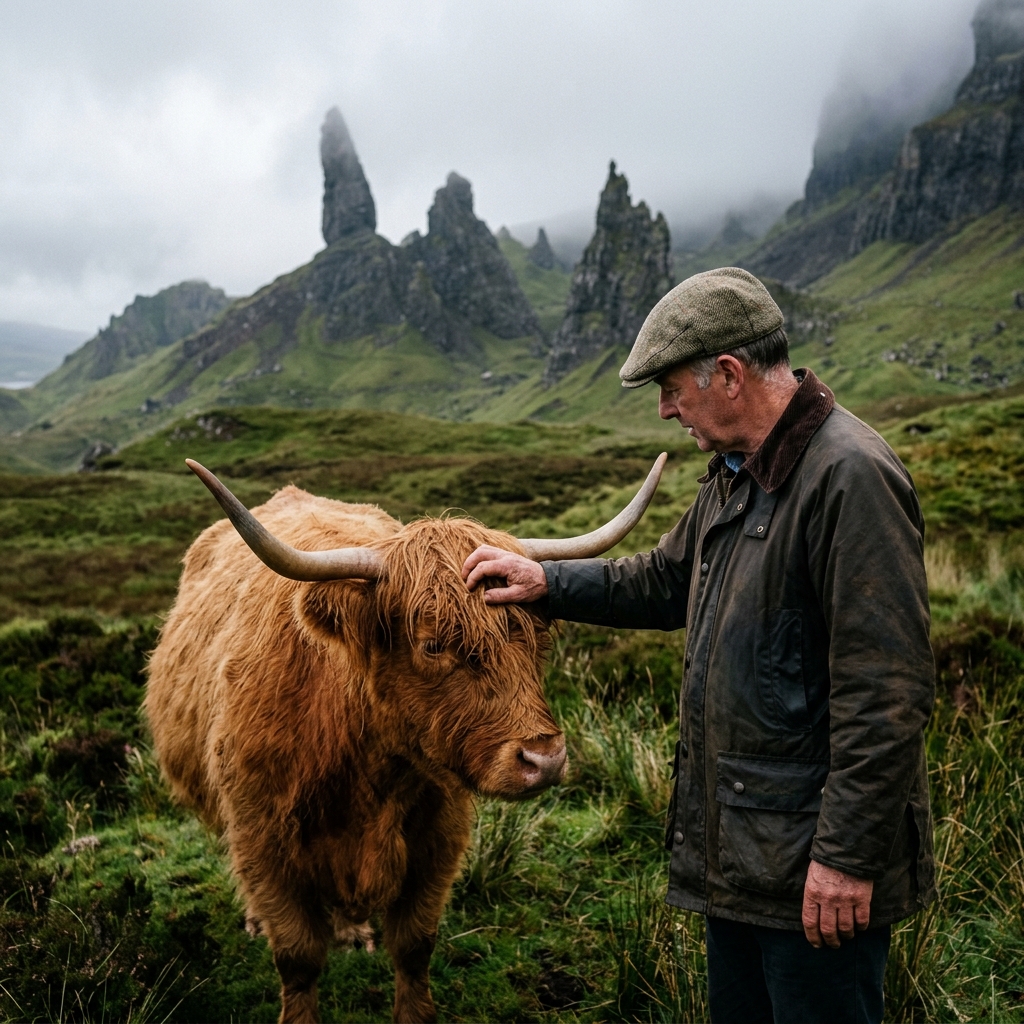
Example Output · Morning Mist on The Storr

Above is the example effect, click 'Run Model' to generate your exclusive content

Examples

Click an example to load its parameters and preview the output

Pricing

Each row is one billing case, with resolution, quality and other options already applied to the unit price. Final charges follow actual usage after a successful request.

QualityPrice/request
1K$0.02
2K$0.04
4K$0.05

    Explore similar AI models available through the same unified API

    View all models
    • Nano Banana 2.1
      Google

      Nano Banana 2.1

      Nano Banana 2.1

      Nano Banana 2.1 (gemini-nano-banana-2.1) is Google's next-generation Nano Banana 2 image model, built on Gemini 3.6 Flash. It improves realism, visual design, text rendering and multi-turn character consistency, generating and editing images at 1K, 2K and 4K with up to 14 reference images.
    • GPT Image 2.6 Sunburst
      OpenAI

      GPT Image 2.6 Sunburst

      GPT Image 2.6

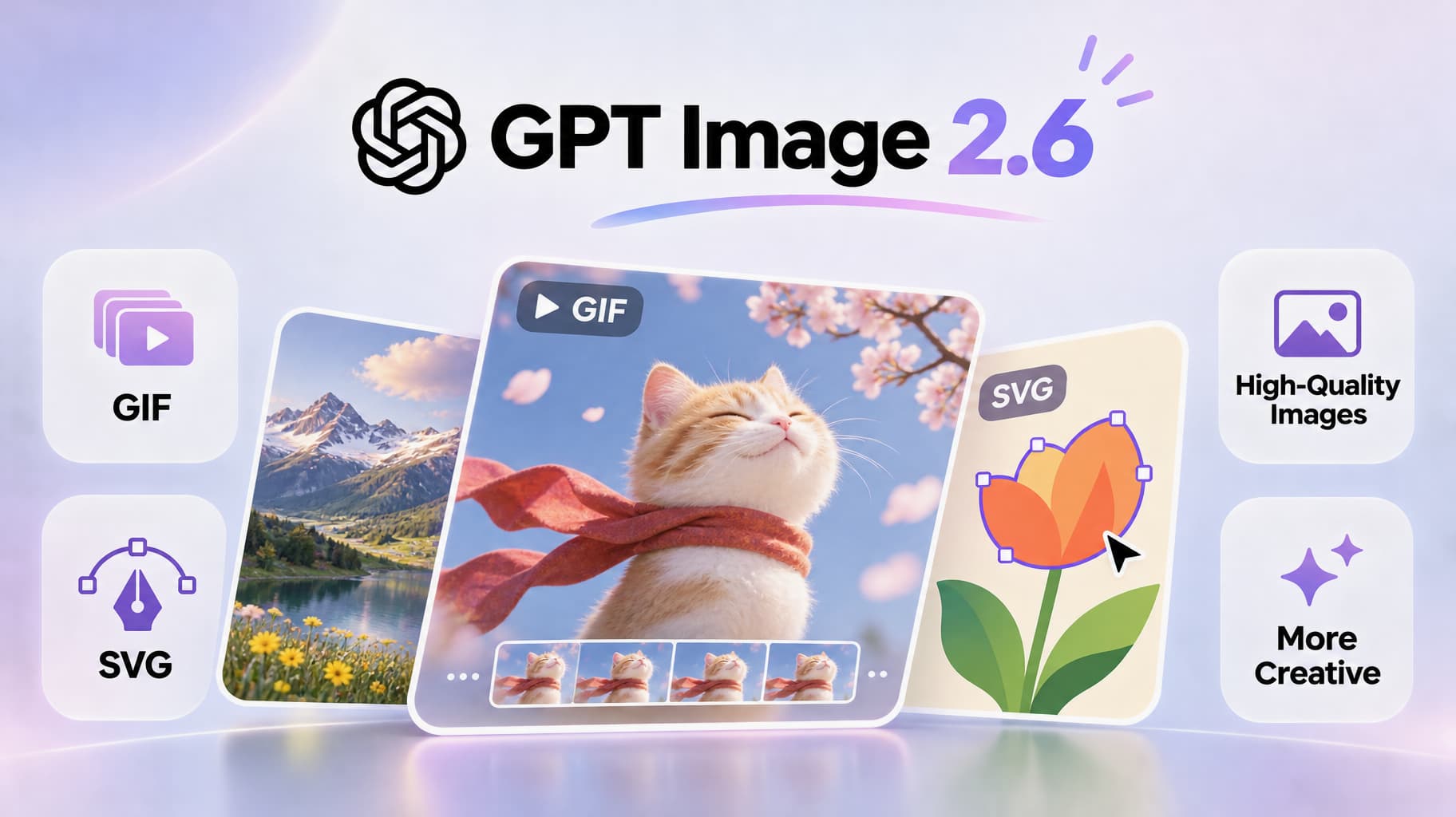
      GPT Image 2.6 Sunburst is OpenAI's image generation and editing model optimized for detail: dense compositions, text-heavy layouts, and edits that keep details consistent from one edit to the next at medium or high quality, generating about 50% faster than GPT Image 2.5. It takes text and image inputs and produces images, with quality tiers from low to max, transparent backgrounds, and custom sizes in multiples of 16 pixels at aspect ratios from 1:3 to 3:1. GPT Image 2.6 introduces a complexity setting for how much the model plans before rendering, markup-guided edits, animated GIF output, and SVG output. Choose Flare instead when speed matters more than fine detail.

    • GPT Image 2.5 Flare Lite
      OpenAI

      GPT Image 2.5 Flare Lite

      GPT Image 2.5

      GPT Image 2.5 Flare Lite is APIPod's cost-oriented routing variant for GPT Image 2.5 Flare rather than a separate OpenAI model. It uses the shared generation and editing contract with lower-cost configured channels, suited to high-volume batch generation on a budget.

    • GPT Image 2 1K
      OpenAI

      GPT Image 2 1K

      GPT Image 2

      GPT Image 2 1K low-cost image generation model is a special-priced gpt-image-2 model for 1K resolution. It features an ultra-low price with slightly compromised stability. It is suitable for quick preview and testing and not recommended for production environments.

    • Alibaba

      Wan 2.7 Image Pro Spicy

      Wan 2.7 Image Spicy

      Wan 2.7 Image Pro Spicy on APIPod is Wan 2.7 Image Pro with upstream content inspection relaxed: high-resolution text-to-image with a 4K tier, optional reasoning before rendering, color palette control, and 1-4 images per request.

    • Qwen Image Edit Spicy
      Alibaba

      Qwen Image Edit Spicy

      Qwen Image Spicy

      Qwen Image Edit Spicy on APIPod edits a primary image from a text prompt - adding, removing or restyling elements - optionally guided by up to two reference images for outfit transfer and scene composition. Output follows the primary image's composition and dimensions, on a route built for mature-theme creative work.

    • Seedream 5.0 Flash
      BytePlus

      Seedream 5.0 Flash

      Seedream 5.0 Flash

      Seedream 5.0 Flash is the faster tier of ByteDance's Seedream 5 family, with the same prompt fidelity and text rendering capabilities as Pro. It generates a single 1K, 1.5K or 2K image per request in PNG or JPEG, ideal for latency-sensitive workloads.

    • Seedream 5.0 Pro Layer
      BytePlus

      Seedream 5.0 Pro Layer

      Seedream 5.0 Pro

      Seedream 5.0 Pro Layer decomposes one design image into a base image and up to 16 transparent PNG layers, ideal for re-editing posters and covers. Target text or subjects with coordinates in the prompt; each output carries its z_index, bounding box, name and description. Billed once per request.